Cozumel, Mexico is one of the Caribbean’s most rewarding island destinations, best known for world-class scuba diving along the Mesoamerican Barrier Reef, the second largest in the world. Beyond the water, the island offers ancient Mayan ruins, ecological parks, beach clubs, and a vibrant downtown waterfront, making it ideal for every type of traveler.
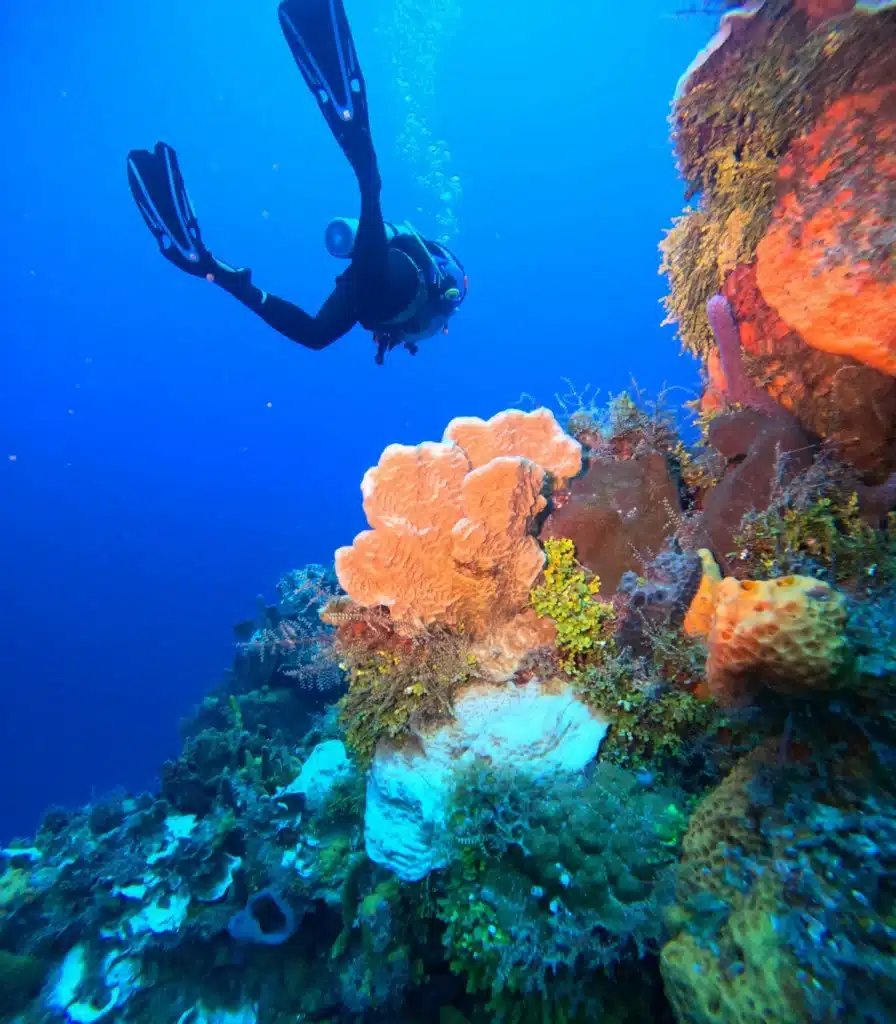
Cozumel, Mexico is one of the Caribbean’s most rewarding island destinations, best known for world-class scuba diving along the Mesoamerican Barrier Reef, the second largest in the world. Beyond the water, the island offers ancient Mayan ruins, ecological parks, beach clubs, and a vibrant downtown waterfront, making it ideal for every type of traveler.
If you’re wondering what to do in Cozumel, Mexico, the short answer is: more than you’d expect from a small Caribbean island. The longer answer is what this guide is for.
At Pelagic Ventures Scuba, we’ve been operating out of Cozumel since 1994. We’ve guided thousands of divers through Palancar Reef, watched the island’s tourism scene evolve, and watched first-timers fall completely in love with this place on their very first snorkel. We know what works, what’s worth your time, and what you can skip. Consider this your insider’s playbook.
Why Cozumel Is Unlike Any Other Caribbean Island
Most Caribbean islands have nice beaches. Cozumel has something rarer: an UNESCO-recognized marine park wrapped around almost the entire island, water visibility that regularly exceeds 100 feet, and a reef ecosystem that biologists still call one of the healthiest in the Western Hemisphere.
The Mesoamerican Barrier Reef System stretches from the Yucatan Peninsula all the way to Honduras, and Cozumel sits right at its heart. That’s why divers fly in from Germany, Japan, Australia, and everywhere in between just to drop below the surface here.
But Cozumel also surprises non-divers. The Mayan history here is genuine and undervisited. The east coast, locals call it the “Wild Side”, feels nothing like the cruise port. And the food in downtown San Miguel de Cozumel is quietly excellent. This island rewards the curious.
Scuba Diving in Cozumel, Mexico
Let’s get this out front: scuba diving is the single best thing to do in Cozumel, Mexico, and it’s not particularly close. The island’s underwater topography, dramatic walls, caverns, swim-throughs, and shallow gardens, creates an experience that even Caribbean diving veterans describe as special. The drift currents that flow along Cozumel’s reefs carry you through the water with almost zero effort, letting you focus entirely on what’s below.
The Best Dive Sites in Cozumel
These are the dive sites we take divers to most, and the ones guests ask about before every trip:
- Palancar Reef: The crown jewel. Palancar has four distinct sections, Palancar Gardens, Caves, Bricks, and Horseshoe, each with its own character. The coral formations here are cathedral-sized. Even intermediate divers leave stunned. Visibility is typically 80–100+ feet.
- Santa Rosa Wall: A sheer drop-off starting at about 50 feet that plunges into the blue abyss. Drift diving along Santa Rosa is one of the most thrilling experiences in Caribbean diving. Eagle rays, grouper, and the occasional reef shark cruise through regularly.
- Columbia Reef: Advanced divers, this one’s for you. Deep walls, strong currents, and an overwhelming density of marine life make Columbia one of Cozumel’s most exhilarating dives.
- Punta Sur Reef & Devil’s Throat: A spectacular swim-through that leads to an open wall drop. Devil’s Throat is a Cozumel bucket-list dive for experienced divers seeking something genuinely dramatic.
- El Cielo: A shallow site (15–30 feet) famous for its resident starfish population and calm, crystal-clear water. Perfect for beginners and snorkelers alike. The name means “The Sky”, once you’re in the water, you’ll understand why.
- C-58 Felipe Pescador Wreck: A 184-foot retired Mexican Navy minesweeper that was intentionally sunk to create an artificial reef. Now home to barracuda, moray eels, and encrusting corals. One of the most accessible wreck dives in the Caribbean.
What Marine Life Will You See in Cozumel?
Cozumel’s reef ecosystem is extraordinarily rich. Here’s what our guides regularly spot:
- Splendid Toadfish: Cozumel’s most famous endemic species. Found nowhere else on Earth. These colorful, spiny fish peek out from reef crevices and are a must-find for underwater photographers.
- Spotted Eagle Rays: Graceful and fast. Schools of eagle rays are one of the most breathtaking sights in Cozumel diving.
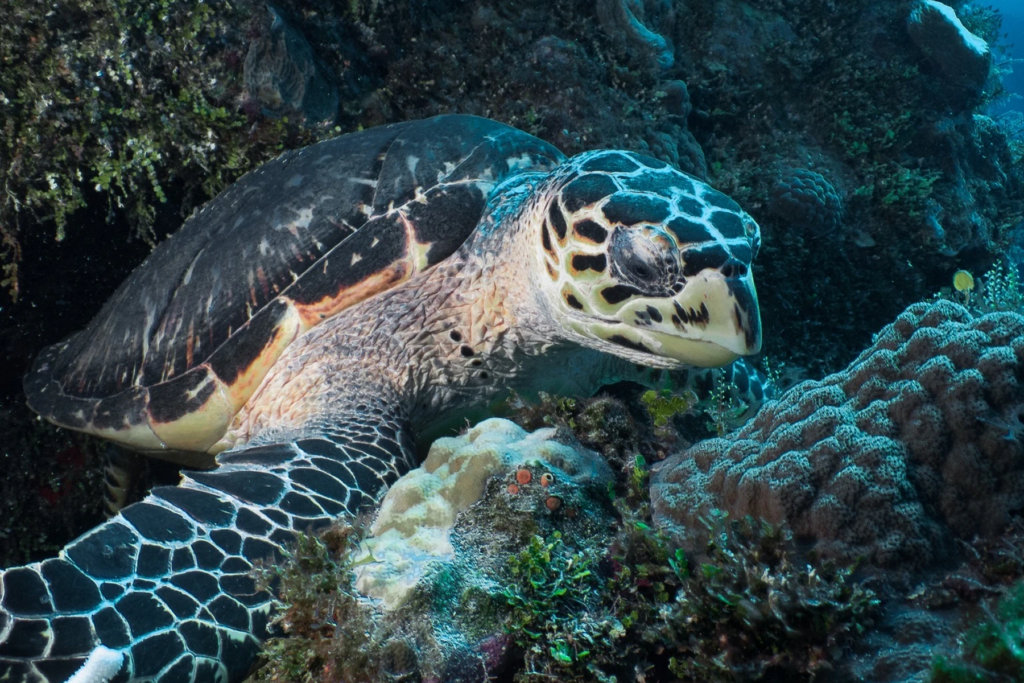
- Hawksbill Sea Turtles: Commonly seen grazing on sponges along the shallower reefs. Calm and accustomed to divers.
- Nurse Sharks: Frequently resting under ledges. Docile and not dangerous, but absolutely thrilling to encounter.
- Green Moray Eels, Queen Angelfish, Caribbean Reef Sharks: All part of a typical day at Cozumel’s major reef sites.
Is Cozumel Good for Beginner Divers?
Absolutely, with the right operator. Cozumel’s calm, warm water and gentle drift currents make it one of the most beginner-friendly diving destinations in the world. Sites like El Cielo and the shallower sections of Palancar Gardens are ideal for new divers still building their buoyancy skills.
At Pelagic Ventures Scuba, we offer PADI and SSI certification courses for divers at every level. Our instructors are patient, experienced, and genuinely invested in your progress. Many of our guests complete their Open Water certification with us and then immediately book their first guided reef dives, because once you’re certified, why wait?
How To Choose a Dive Shop in Cozumel
This matters more than most travelers realize. Cozumel has dozens of dive operations, and the experience varies dramatically. Here’s what to look for:
- Small groups over cattle boats: Large operations can put 20+ divers in the water at once. Small groups (we cap at 8 divers) mean more personalized attention, better safety, and a quieter reef experience.
- Certified, experienced guides: Ask how long your divemaster has been working Cozumel’s reefs specifically. Local knowledge is irreplaceable.
- Fast, well-maintained boats: Especially important for reaching the southern reef sites without burning your entire dive day on transit.
- Transparent communication: Reputable shops discuss dive sites, currents, and conditions with you before every trip. If they don’t, keep looking.
Pelagic Ventures has been operating in Cozumel since 1994 under current owners Paulino and Mary Castillo. We run small groups, fast boats, and build every trip around what you actually want to see. It’s a family operation, and our guests notice the difference.
Snorkeling in Cozumel, Mexico
Cozumel’s reef isn’t reserved for scuba divers. Some of the island’s most accessible dive sites double as exceptional snorkeling spots, with vivid coral gardens visible from the surface in crystal-clear water.
Best Snorkeling Spots in Cozumel
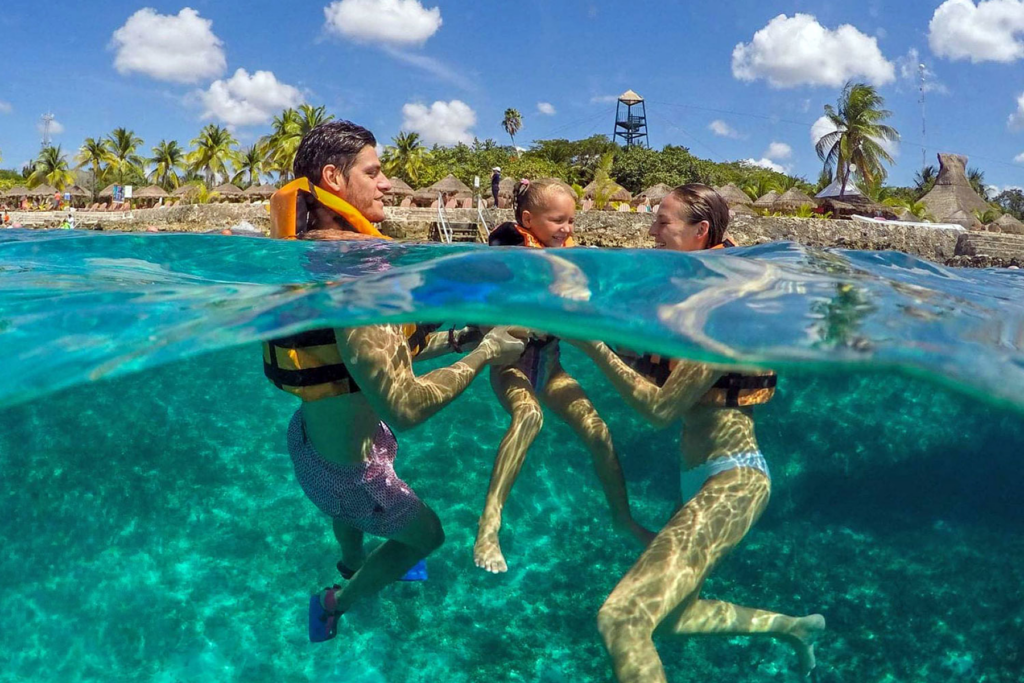
- El Cielo: The best all-around snorkeling spot on the island. Shallow, calm, and full of starfish, reef fish, and the occasional turtle. Ideal for families and non-swimmers who want to ease in.
- Chankanaab Beach Adventure Park: Offers guided snorkeling among underwater sculptures and dense reef life in a well-managed, safe environment. Great for first-timers.
- Palancar Reef (Shallow Sections): If you want to experience a fraction of what divers see without going deep, Palancar’s upper reef sections are visually stunning from the surface.
- Columbia Shallows: A drift snorkel along a gentle current with excellent coral coverage and fish density.
Guided Snorkeling Tours vs. DIY
Renting gear and snorkeling from the beach works fine at a few shore-accessible spots, but the best reefs in Cozumel require a boat. A guided snorkeling tour gets you to multiple sites in one morning, provides all equipment, and typically includes a naturalist guide who makes the experience dramatically richer. For first-timers, it’s the right call.
Land & Cultural Things To Do in Cozumel, Mexico
Cozumel has been inhabited since at least 300 AD and served as one of the most important pilgrimage destinations in the pre-Columbian Mayan world. That history is still accessible, still underappreciated, and still genuinely impressive.
San Gervasio Mayan Ruins
San Gervasio is Cozumel’s largest Mayan archaeological site and one of the most spiritually significant in the Yucatan. The site was dedicated to Ixchel, the Mayan goddess of fertility, medicine, and the moon. Mayan women from across the peninsula would make pilgrimages to Cozumel to honor her. Walking the jungle paths between the stone structures, knowing what this place meant to an entire civilization, is quietly profound. Located inland at the center of the island, accessible by scooter, Jeep, or taxi.
Chankanaab Beach Adventure Park
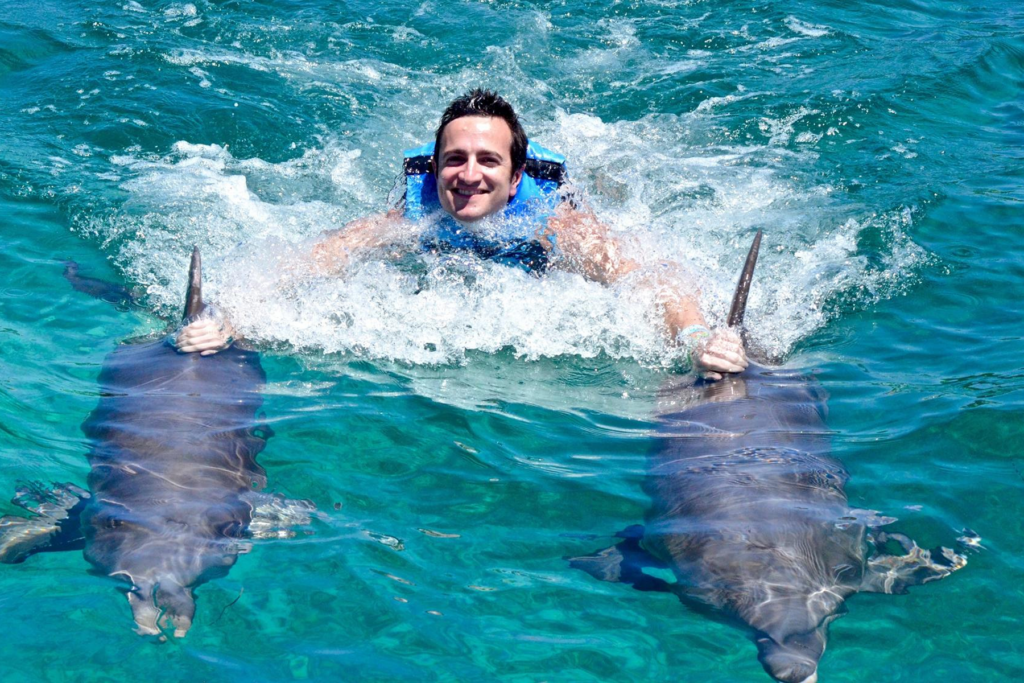
A full-day destination that packages snorkeling, a botanical garden, a lagoon, sea lion shows, and dolphin encounters in one admission. Located within Cozumel’s National Marine Reef Park, it’s particularly well-suited for families or groups with mixed interests. The snorkeling here includes underwater sculptures that have become part of the reef ecosystem over decades.
Punta Sur Eco Beach Park
Located at the island’s southern tip, Punta Sur is Cozumel’s largest ecological reserve. Highlights include the Faro Celarain lighthouse (climb it for panoramic views of the Caribbean), a navigation museum, a lagoon with resident American crocodiles, and pristine, uncrowded beaches. It’s one of the most underrated experiences on the island.
Cozumel Museum (Museo de la Isla)
Tucked into downtown San Miguel de Cozumel, this small but well-curated museum covers the island’s ecology, geology, and pre-Columbian history across two floors. Entrance is inexpensive, and it’s an excellent 45-minute stop for anyone wanting context about the island they’re exploring.
Pueblo del Maíz
An immersive cultural experience that goes beyond a museum. Pueblo del Maíz brings Mayan traditions to life through traditional ceremonies, corn-based cooking classes, cacao and chocolate-making workshops, and performances. It’s educational, interactive, and genuinely fun. A great half-day option, particularly for families.
Beach Clubs & Relaxation in Cozumel
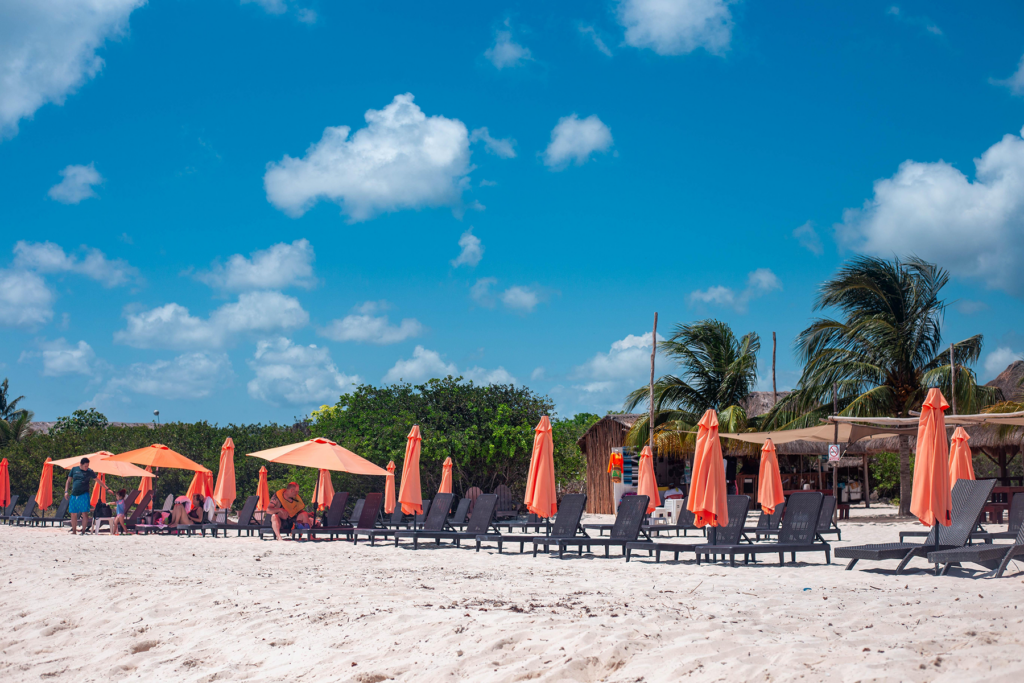
After a morning dive or a day of exploration, Cozumel’s beach clubs offer the perfect landing spot: full bars, palapa shade, water toys, and that particular Caribbean quality of time moving slowly.
- Paradise Beach: One of the most popular choices on the island’s west coast. All-inclusive options available, plus kayaks, paddleboards, trampolines, and a floating obstacle course in the water.
- Mr. Sancho’s Beach Club: An island institution. Full open bar, fresh seafood, hammocks in the water, and a reliably festive atmosphere. Day-pass pricing is reasonable.
- Playa Chen Rio (East Coast): For a completely different vibe: a rugged, natural beach on the “Wild Side” with tide pools and almost no crowds. There’s a small restaurant on-site. This is Cozumel without the polish, and it’s beautiful.
- Playa Casitas: Close to downtown, free to access, and genuinely pretty. A solid option if you want a beach afternoon without paying beach club prices.
Adventure Activities in Cozumel Beyond Diving
Sport Fishing in Cozumel
The waters around Cozumel and across to the Yucatan Channel are home to some exceptional pelagic sportfishing. Mahi-mahi, wahoo, barracuda, and occasional blue and white marlin frequent these waters, especially from spring through fall. At Pelagic Ventures, we run both half-day and full-day deep-sea fishing trips with experienced captains who know where the fish are running.
ATV & Jeep Tours to the East Coast (The Wild Side)
Renting a Jeep or joining an ATV tour to Cozumel’s east coast is one of the island’s great adventures. The east-facing coastline is rugged, windswept, and almost entirely undeveloped. There are no beach clubs out here, just wave-battered limestone shores, tide pools, and a string of informal seafood shacks. The contrast with the polished western shore is striking.
Jade Cavern Cenote
Accessible by ATV or buggy tour from central Cozumel, the Jade Cavern Cenote is a refreshing jungle swim in mineral-rich freshwater. It’s a genuinely otherworldly experience, the water is an unusual shade of green-blue, and the cavern ceiling frames the sky above you. A perfect mid-day escape from the heat.
Freediving in Cozumel
For athletes and thrill-seekers, freediving, descending on a single breath, without tanks, has found an enthusiastic community in Cozumel. The island’s visibility and the variety of depth profiles make it an ideal training ground. Several operators offer beginner courses focused on breath control and safety techniques. It’s demanding, meditative, and completely addictive.
Sunset Kayaking
Paddling the calm Caribbean waters as the sun drops below the horizon is one of those Cozumel experiences that costs almost nothing and delivers enormously. Tours are beginner-friendly, typically run 1.5–2 hours, and culminate in a sky that turns every shade from gold to violet. Bring a waterproof camera.
Atlantis Submarine Tours
Not ready to get wet? The Atlantis Submarine takes passengers down to about 100 feet to view the reef and a shipwreck through portholes. It’s a legitimate underwater experience without a wetsuit, and genuinely impressive for non-swimmers, children, or anyone with health restrictions that prevent diving.
Downtown San Miguel & Free Things To Do in Cozumel
San Miguel de Cozumel is the island’s only real town, and it’s an easy, enjoyable place to spend a few hours on foot.
- El Malecón (The Waterfront Promenade): A broad, pedestrian-friendly boulevard running along the western shore. You’ll find sculptures, benches, and front-row views of cruise ships in port. It’s active in the evenings with locals walking and vendors setting up.
- Artisan Markets: Near the main pier, you’ll find handicrafts, hammocks, silver jewelry, and Mayan-inspired artwork. Bargaining is expected and friendly.
- Local Food Scene: Cozumel’s restaurants punch well above what you’d expect from an island this size. Look for fresh ceviche, cochinita pibil tacos, and just-caught fish prepared in the Yucatecan style. The blocks immediately surrounding the main plaza have several excellent, affordable local spots.
- The Main Plaza (Parque Benito Juárez): A leafy central square surrounded by the town church, restaurants, and local life. On weekend evenings, it fills with families, music, and a completely unhurried island atmosphere.
Practical Tips From a Cozumel Local
When Is the Best Time To Visit Cozumel, Mexico?
The dry season runs from November through April and is considered the best time to visit. Weather is stable, winds are calm, and underwater visibility is at its finest. December through March is peak tourist season, so book activities and accommodation well in advance.
The rainy season (June through October) coincides with hurricane season. Conditions are still often excellent, the reef doesn’t disappear because of rain, but you’ll need flexibility in your schedule. Prices drop noticeably in this window.
How Do You Get Around Cozumel?
- Taxis: Abundant and inexpensive. Fixed-rate zones are posted at the airport and ferry pier. Always confirm the price before you get in.
- Scooter Rental: The most fun way to explore independently. Most rental shops are clustered near the main pier. Traffic is light and the roads are straightforward. Wear a helmet.
- Jeep or Golf Cart Rental: Ideal if you’re heading to the east coast (Wild Side) or carrying gear. Golf carts work well for town and nearby beaches.
- Dive Shop Pickup: Many operators, including Pelagic Ventures, offer hotel pickup for their guests. Confirm when booking.
Is Cozumel Worth It for Cruise Passengers?
Yes, emphatically. Cozumel is one of the best cruise ports in the Caribbean precisely because the island’s top experiences are close to the pier. In a single port day, you can realistically do a two-tank dive or guided snorkel tour, grab lunch at a local restaurant, and still stroll El Malecón before returning to the ship. The key is booking water activities in advance so you’re not scrambling dockside.
How Much Should I Budget for Activities in Cozumel?
Cozumel accommodates a wide range of budgets:
- Free: Walking El Malecón, visiting the main plaza, swimming at Playa Casitas or Playa Chen Rio.
- (Under $30 USD): Scooter rental for the day, Cozumel Museum admission, local restaurant meals.
- ($30–$80 USD): Guided snorkeling tours, beach club day passes, ATV tours, cenote excursions.
- ($80–$150+ USD): Two-tank scuba diving trips, sport fishing half-day, certification courses, Atlantis Submarine.
What Should I Pack for Cozumel?
- Reef-safe sunscreen (SPF 50+): Chemical sunscreens damage coral. Mineral-based options are required in Mexico’s marine parks and are better for everyone.
- A rash guard: More effective than sunscreen alone for long days in the water, and useful in every season.
- Water shoes: Useful at rocky beach entries and the east coast beaches.
- A reusable water bottle: Cozumel is hot. Staying hydrated matters more than it might seem.
- An underwater camera or waterproof phone case: You will want documentation of what you see underwater. Trust us.
Conclusion:
We’ve spent three decades watching people arrive in Cozumel curious and genuinely transformed. Some came for a beach vacation and ended up getting their dive certification. Some arrived as experienced divers and discovered they’d been thinking about reefs wrong for years. Some just wanted a quiet Caribbean island and found something with a little more soul than they expected.
The best things to do in Cozumel, Mexico aren’t hard to find, they’re just below the surface, literally and figuratively. The reef is the reason the island exists as a destination. Everything else is a very good bonus.
If you’re ready to plan your diving, snorkeling, or fishing trip, reach out to the Pelagic Ventures Scuba team. We’ll put together the right experience for your group, whether it’s your first open water dive or your hundredth.