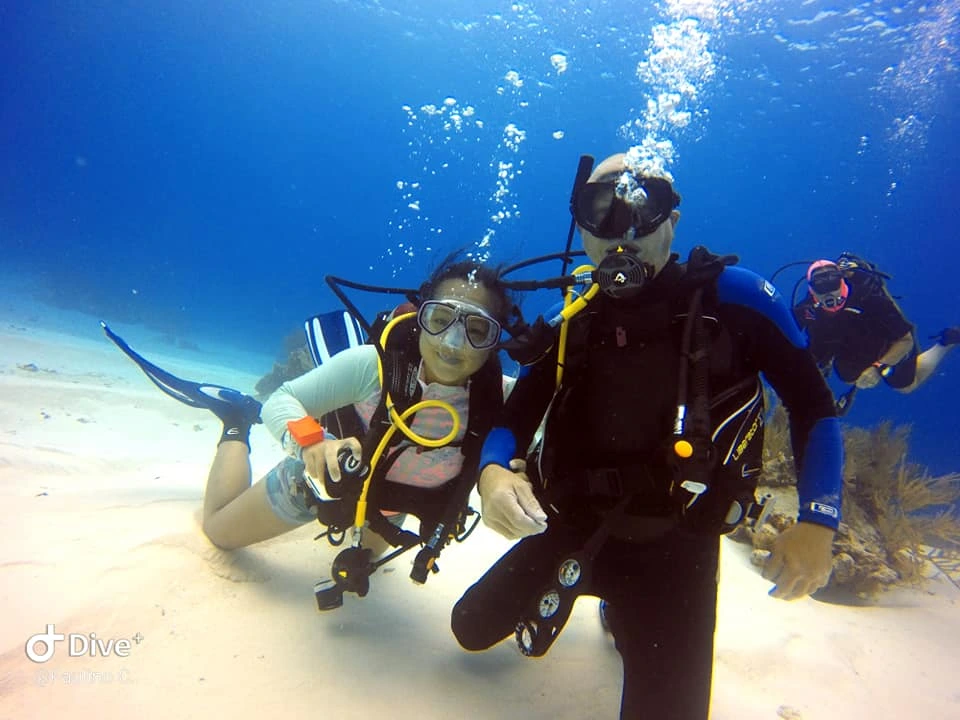
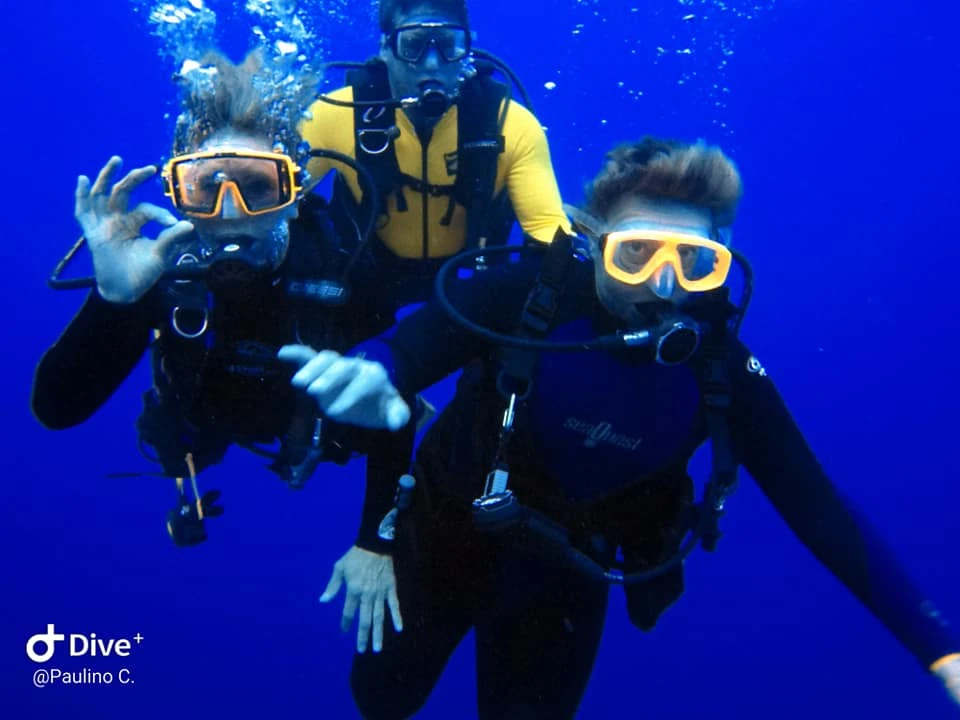
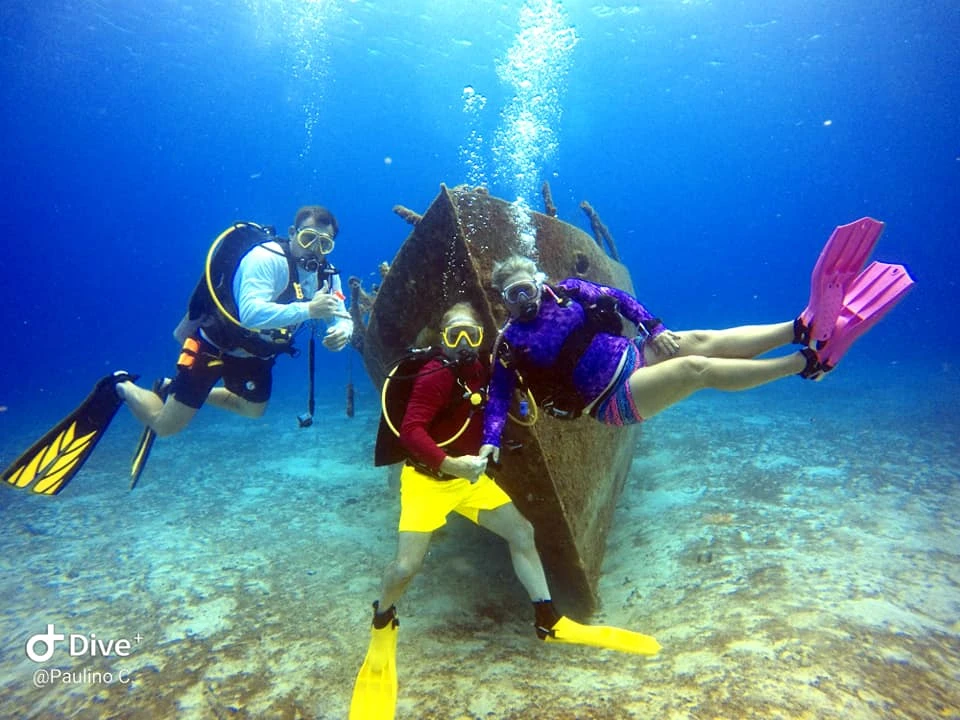
Drift diving in Cozumel means relaxing and letting the Yucatan Current do the work. Book a boat charter, listen to the briefing, descend quickly to the reef, and let the ocean carry you, effortlessly, across some of the most spectacular coral formations in the Caribbean.
What Is Drift Diving, and Why Is Cozumel the Best Place to Do It?
Drift diving in Cozumel means entering the water, descending immediately to the reef, and letting the Yucatan Current carry you along the coral without finning. The boat follows your bubbles from the surface and picks you up when you ascend. It’s the most effortless, high-reward style of diving in the Caribbean, and Cozumel is the world’s most celebrated location for it.
Drift diving is exactly what it sounds like: instead of swimming against or across a current, you move with it. The ocean provides the propulsion. Your job is to control your buoyancy, stay horizontal, and enjoy one of the most exhilarating experiences available to any certified diver.
What makes Cozumel the global benchmark for drift diving is the Yucatan Current, a warm, north-flowing current that runs along the island’s western wall with remarkable consistency year-round. Combined with 80–150 feet of visibility, 75–84°F (24–29°C) water, and the protected coral systems of the Arrecifes de Cozumel National Marine Park, the result is conditions that are reliably outstanding, not occasionally perfect.
Divers who come for the first time often describe it as an underwater magic carpet ride. After 30 years of running boat diving trips in Cozumel, the Pelagic Ventures team agrees, the Yucatan Current never gets old, no matter how many times you ride it.
How Drift Diving Works in Cozumel
The boat, the current, and the pick-up system
Every drift dive in Cozumel is a coordinated logistical operation. Before entering the water, the captain and divemaster assess that morning’s current, its speed, direction, and which section of the reef it will carry you through most effectively. They choose the entry point accordingly, and they plan where the group will surface.
Once you’re in the water, the current moves you north along the reef. The boat follows your bubbles from the surface. You do not return to a fixed entry point, you surface wherever the drift takes you, deploy your Surface Marker Buoy (SMB), and the boat comes to you. This is why having fast, twin-outboard vessels matters: a slow boat in a fast current means divers waiting at the surface. At Pelagic Ventures, both the Mary Beth and Hatza Ha are built for speed so pick-up is prompt regardless of where the current has taken the group.
The Yucatan Current explained
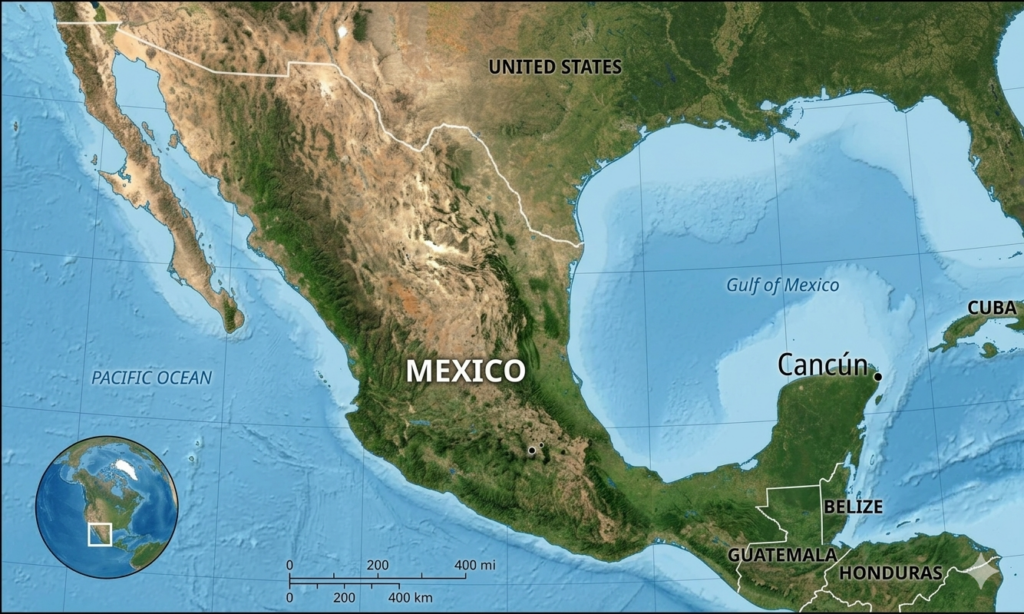
The Yucatan Current enters the Caribbean Sea from the Atlantic, runs through the Yucatan Channel between Mexico and Cuba, and sweeps north along Cozumel’s western coast before continuing into the Gulf of Mexico. It is not a tidal current, it doesn’t reverse or stop depending on the time of day. It is a persistent, warm, open-ocean current that delivers nutrients to the reef and drives the extraordinary marine life density that makes Cozumel’s dive sites so productive.
Average current speed at most recreational sites runs between 1 and 2 knots, comfortable for drift diving and fast enough to make the experience feel truly effortless. On some days and at exposed sites, the current runs considerably faster; on calmer days at sheltered sites, it slows to a gentle glide.
Step-by-Step: How to Drift Dive in Cozumel
Here is exactly what drift diving in Cozumel looks like from the moment you board the boat to the moment you’re back on the surface.
- Book a reputable local dive charter. This is the most important step. Your safety, experience, and the sites you visit are entirely determined by the operator you choose. Look for small groups, fast boats, divemasters with genuine local experience, and transparent pricing that includes the Marine Park fee. Pelagic Ventures limits every boat to 8 divers, a number that makes a meaningful difference underwater.
- Listen closely to the pre-dive briefing. The divemaster will explain the current’s estimated speed and direction, your entry method (giant stride or back-roll from the gunwale), the planned depth and route along the reef, any hazards to be aware of, and exactly how the dive will end, where to ascend, when to deploy your SMB, and the agreed air limit for surfacing (typically 700–1,000 psi). This briefing is not optional background noise. It determines the safety and quality of everything that follows.
- Enter the water and descend immediately. Once you hit the water from a giant stride or back-roll, equalize and descend without delay. A surface current that carries you off-course during a slow descent is one of the most common issues first-time drift divers encounter. Descend to 40–50 feet quickly. Get to the reef. The divemaster will be leading, follow promptly.
- Adopt a horizontal position and go with the flow. Lie flat in the water, face down, arms in or tucked. Let the current carry you. Maintain your depth with breathing, a slow inhale raises you slightly, a controlled exhale lowers you. Do not fight the current and do not kick against it. If you want to slow down or pause to observe something, move toward the reef and use overhangs or rocky outcroppings to shelter from the flow. Your fins should be still unless you need to steer.
- Stay with your buddy and divemaster. Drift diving is not a solo experience. The current will separate a group that isn’t paying attention. Keep the divemaster in sight. Know where your buddy is at all times. If the current is strong and you feel yourself separating, signal your divemaster immediately rather than trying to swim back against the flow.
- Monitor your air and begin your ascent at the agreed limit. When your tank reaches the pre-agreed minimum (700–1,000 psi), signal your divemaster. Ascend slowly together, no faster than 30 feet per minute. Make a 3-minute safety stop at 15 feet before surfacing. The divemaster or guide will deploy the SMB at the start of the ascent so the boat can track your position.
- Surface, inflate your BCD, and wait for the boat. Once on the surface, inflate your BCD fully and hold your position with the SMB visible. The boat will be tracking you and will approach promptly. Stay with your buddy. Remove your regulator once you’re confident the boat has located you.
First-timer tip: If drift diving in Cozumel will be your first current dive, mention it when you book. Pelagic Ventures selects the entry site based on who’s in the group, a calmer section of Colombia Reef or Tormentos is a far better introduction than Santa Rosa Wall on a strong-current day. One gentle drift dive builds the confidence that makes everything else more enjoyable.
Buoyancy and Technique: The Skills That Make Drift Diving Easy
Why buoyancy control matters more in a current
In a stationary dive, a brief buoyancy lapse means you rise or sink slightly, easily corrected. In a drift dive, the same lapse happens while you’re moving along the reef at pace, which means you cover ground at the wrong depth before you correct it. Good buoyancy control is therefore more consequential in drift diving than in any other style.
The key principle is breathing-based depth control. Your BCD is used to set your approximate neutral buoyancy before the drift begins. Breathing does the fine-tuning during the dive. A slow, deliberate inhale expands your lungs and raises you a foot or two. A controlled exhale does the reverse. This micro-adjustment cycle, sustained throughout the dive, keeps you at the ideal height above the coral, close enough to see everything, far enough to damage nothing.
Horizontal trim
Drift diving rewards a truly horizontal body position in a way that other styles do not. An upright diver in a current creates drag and fights to stay on course; a horizontal diver slips through the water. To achieve good trim, weight distribution matters: too much weight on your belt pulls your feet down; weight distributed to your BCD pockets helps you lie flat. If you’re renting gear, talk to the team at Pelagic Ventures before the dive about your preferred weighting, it makes a genuine difference.
Controlling your speed in the current
You cannot stop a current, but you can use the reef’s topography to manage your speed within it. Swim into a sheltered cove behind a coral head, and the current drops to near-zero, giving you time to examine a cleaning station or watch a turtle pass. Move back into open water above the reef and the current accelerates again. Experienced drift divers learn to read the reef’s geography and use it to control their own pace. Your divemaster will demonstrate this on the first dive; pay attention to how they use the terrain.
The Advanced Open Water course offered by Pelagic Ventures includes peak performance buoyancy training, one of the most immediately useful skills for anyone planning to drift dive in Cozumel regularly.
Best Drift Dive Sites in Cozumel
Cozumel’s western wall holds more than 30 named dive sites, most of which are drift sites by nature. These are the ones the Pelagic Ventures team visits most frequently, each chosen for a different style of drift experience.
Intermediate
The iconic drift dive. The wall drops from 50 ft into the open blue and the northward current carries you past overhang after overhang. Eagle rays, nurse sharks, and a dramatic topography that few Caribbean sites match. One of the fastest-current sites on the island, best suited to divers with some drift experience.
All Levels
A shallow drift over a reef so dense with life that the challenge is choosing where to look. Nurse sharks at rest in sandy patches, cleaning stations, moray eels in every crevice, and the endemic Splendid Toadfish completely unbothered by the current above it. Superb for photography.
Intermediate
Shallow enough for extended bottom time, dense enough with marine life to fill every minute of it. Current strength varies, on high-current days it becomes a swift, rewarding run. One of the best sites in Cozumel for macro photography and spotting endemic species.
All Levels
Two dives in one. The Shallows section is a gentle drift over coral gardens, ideal for first-time current divers. The Deep section is a faster drift through massive buttresses and swim-throughs at depth. Pairing both on a two-tank trip gives the full Colombia experience.
All Levels / Advanced
Two dives in one. The Shallows section is a gentle drift over coral gardens, ideal for first-time current divers. The Deep section is a faster drift through massive buttresses and swim-throughs at depth. Pairing both on a two-tank trip gives the full Colombia experience.
Advanced
The southernmost tip of the island where currents converge and conditions intensify. Cavern swim-throughs, a narrow passage opening to a dramatic drop-off, and one of the most powerful current experiences on the island. Advanced certification required; not recommended without prior Cozumel drift experience.
Essential Gear for Drift Diving in Cozumel
You do not need specialist technical equipment to drift dive in Cozumel. However, a few items are either required or strongly recommended, and the difference between having them and not having them is the difference between a smooth dive and a stressful one.
| Item | Why You Need It | Status |
| Surface Marker Buoy (SMB) | The boat finds you by your SMB. You may surface anywhere, the SMB is how the crew locates you. Carry your own; do not rely on the group’s only. | Required |
| Dive Computer | Tracks depth and no-decompression limits while you’re moving along wall sites at varying depths. Essential, not optional. | Required |
| BCD (Buoyancy Control Device) | Well-fitted BCD that allows precise buoyancy adjustment. Rental available at Pelagic Ventures. | Required |
| 3mm Wetsuit | Comfortable for most of the year. A shortie is sufficient June–September when water temperature rises. The current can feel cooling on longer dives. | Recommended |
| Audible Surface Signal (whistle/horn) | For attracting the boat’s attention if you surface away from the group. Clips to your BCD. | Recommended |
| Reef Hook (optional) | A hook that attaches to dead rock or substrate, allows you to hold position in the current without finning or touching the coral. Used at sites with very strong currents. Not mandatory but useful for advanced divers. | Optional |
| Streamlined Gear Configuration | Consoles, hoses, and accessories secured close to your body. Dangling gear creates drag and snag hazards in a current. | Important |
Do You Need Special Certification to Drift Dive in Cozumel?
This is one of the most common questions asked before a first Cozumel trip, and the answer is straightforward.
Open Water Diver certification is sufficient for most Cozumel drift dive sites. Cozumel is genuinely one of the best places in the world to experience drift diving for the first time as a recently certified diver. The mild-to-moderate current at sites like Colombia Shallows, Palancar Gardens, and Tormentos is entirely manageable without additional training beyond Open Water.
That said, the following certifications are either required or strongly recommended in specific circumstances:
- Advanced Open Water (AOW): Required for deeper, faster-current sites including the deeper sections of Santa Rosa Wall and Punta Sur. Also opens access to wall diving beyond 60 feet and to Devil’s Throat. The AOW course with Pelagic Ventures can be completed in Cozumel over two days and includes drift diving as a standard component.
- PADI Drift Diver Specialty (or SSI equivalent): Not required, but genuinely useful. Covers SMB deployment, current reading, buddy communication in a current, and the use of a reef hook. Recommended for divers planning multiple drift dives or intending to explore faster sites.
- Peak Performance Buoyancy Specialty: One of the most practical specialty courses for Cozumel drift diving. Significantly improves your ability to hold depth and horizontal position in a moving current.
Planning to get certified before you arrive? If you’ve started your Open Water course at home, Pelagic Ventures accepts referral dives, you complete the open-water checkout dives in Cozumel and finish your certification here, in conditions far better than most home locations offer.
Best Time of Year to Drift Dive in Cozumel
One of Cozumel’s core advantages is that drift diving is excellent year-round. The Yucatan Current does not have an off-season. However, conditions do vary through the year in ways that matter depending on your experience level and what you’re hoping to see.
November through May | peak season
The dry season brings the most consistent conditions: water temperature between 78–82°F (25–28°C), visibility often exceeding 100 feet, and current that is strong but predictable. This is the busiest period for Cozumel diving overall. Booking in advance is important, particularly for operators like Pelagic Ventures who cap group size strictly.
June through October | shoulder and hurricane season
Water temperatures peak at 82–84°F (28–29°C) and visibility remains excellent. Current can be variable, some days calmer, some days running fast depending on passing weather systems. The risk of tropical storms and hurricanes exists from June through November, though most weather events are trackable well in advance. June through August is particularly good for whale shark sightings in the nearby waters off Holbox and the Yucatan coast, making it an appealing time for divers who want to combine experiences.
Year-round consistency
Unlike many dive destinations where there is a genuine “bad season,” Cozumel’s diving window is essentially permanent. The Pelagic Ventures team has been running daily departures every month of the year since 1994, the rare cancellations are weather-driven, not current or visibility-driven.
Marine Life You’ll Encounter While Drift Diving in Cozumel
The Yucatan Current that makes Cozumel’s drift diving so effortless also makes its marine life so abundant. Nutrient-rich water flowing continuously over the reef supports a density of species that rivals anywhere in the Caribbean. Here is what you should expect to see on a standard drift dive.
Large pelagic species
- Eagle rays: Spotted eagle rays are common along wall sites, often seen in the open water column above the drop-off. Seeing three or four on a single drift dive is not unusual.
- Sea turtles: Green and hawksbill turtles are encountered on almost every dive. They rest on the reef, feed on sponges, and entirely ignore passing divers.
- Nurse sharks: Resting motionless under ledges at sites like Cedral and Palancar, often multiple individuals in the same overhang.
- Atlantic reef sharks: Caribbean reef sharks are encountered more frequently at the deeper, faster-current sites like Colombia Deep and Santa Rosa.
Reef species and endemics
- Splendid Toadfish (Sanopus splendidus): Found only in Cozumel. This brilliantly striped fish lives in crevices throughout the reef and is one of the most sought-after sightings for visiting divers. Sites like Tormentos and Cedral are reliable locations.
- Moray eels: Green and spotted morays are visible in almost every crevice on every dive. Cleaning stations are particularly active, the morays open their mouths and hold position while cleaner shrimp work.
- Grouper and snapper: Nassau grouper in particular are large, plentiful, and have no fear of divers, the Marine Park protection shows clearly in their behaviour.
The coral itself
Cozumel’s reef system is part of the Mesoamerican Barrier Reef, the second-largest coral reef system on earth. The Marine Park designation, enforced since the 1990s, means the coral is in measurably better health than most Caribbean alternatives. Massive brain corals, towering pillar corals, sea fans moving in the current, and dense sponge coverage on every wall face, the coral itself is as much the attraction as the fish.
Drift Diving Safety: Rules Every Diver Must Follow in Cozumel
Drift diving is among the safest forms of scuba diving when done correctly, precisely because you are not fighting the water. The risks come from poor preparation, not from the current itself. These rules apply on every drift dive in Cozumel, without exception.
- Never dive with an operator who doesn’t brief properly. The pre-dive briefing is not a formality. If a guide jumps in without explaining current speed, the exit strategy, and air limits, get off that boat.
- Always carry your own SMB. The group SMB is for the guide. Your personal SMB is your personal safety device. Deploy it at the start of every ascent, not just when you think you might need it.
- Never fight the current. Swimming against a Cozumel current is exhausting, wastes air, and gets you nowhere. If you feel separated from the group, signal the guide and ascend slowly, the boat will find you.
- Respect the Marine Park rules. No gloves, no reef contact, no touching marine life. These are enforced on every Pelagic Ventures dive. They also make your dive better, stressed or disturbed marine life retreats; calm marine life stays visible.
- Stay with your buddy. The current will separate divers who aren’t paying attention to each other. Establish buddy communication signals before the dive and use them.
- Dive within your certification. This is not about rules for rules’ sake, it’s about whether you have the buoyancy skills and current experience to manage the conditions safely. Deeper, faster sites are genuinely more demanding.
Pelagic Ventures carries emergency oxygen on every departure. All divemasters hold current EFR (Emergency First Response) certification. Every boat carries a VHF marine radio and full emergency signalling equipment. The Marine Park fee included in every booking also supports the park’s conservation infrastructure.
Frequently Asked Questions About Drift Diving in Cozumel
Is drift diving in Cozumel suitable for beginners?
Yes, with the right site selection. Many of Cozumel’s drift sites are accessible to recently certified Open Water divers. Colombia Shallows, Palancar Gardens, and Paso del Cedral all have gentle enough current conditions on most days to be excellent first drift dive experiences.
What matters more than certification level is the operator’s judgment. At Pelagic Ventures, if you mention that this will be your first drift dive when you book, Paulino and Mary will select the entry site based on the morning’s current conditions. If the current is running stronger than suits a beginner group, the site changes. That decision is made before departure, not after you’re already in the water.
Do I need special certification for drift diving in Cozumel?
Open Water Diver certification is sufficient for most Cozumel drift sites. The PADI Drift Diver Specialty or SSI equivalent is recommended, particularly the SMB deployment training, but not required at most sites. Advanced Open Water certification is required for deeper, faster-current sites including Santa Rosa Wall (deeper sections) and Punta Sur.
What happens if I surface away from the boat?
You deploy your SMB, inflate your BCD, and wait. This is not an emergency, it is a normal part of drift diving logistics in Cozumel. The boat is tracking your bubbles during the dive and will come to your SMB promptly. At Pelagic Ventures, the fast twin-outboard vessels mean pick-up time is short regardless of where the current has taken you.
The most important thing is to remain calm, stay with your buddy, keep your SMB visible, and do not attempt to swim back against the current.
How strong is the current in Cozumel?
It varies significantly by site, depth, and day. At most recreational sites during standard conditions, the Yucatan Current runs at roughly 1–2 knots, a comfortable drift pace that requires no effort to maintain. On strong-current days at exposed sites like Santa Rosa Wall, it can run considerably faster.
Your guide assesses the current every morning before departure and selects the best site for the day’s conditions. If a specific site is running too fast for safe recreational diving, an excellent alternative is offered, there is no shortage of outstanding sites on Cozumel’s western wall.
How is drift diving different from wall diving in Cozumel?
Most wall dives in Cozumel are drift dives, the two styles are not mutually exclusive. Santa Rosa Wall, Colombia Deep, and Palancar Bricks all involve drifting along a vertical wall face. The distinction is mainly one of emphasis: a wall dive prioritises the vertical topography (the drop-off, the overhangs, the deep-water visibility), while a drift dive prioritises the movement and effortless coverage of ground. You can read more about wall diving in Cozumel on the Pelagic Ventures site.
Can I request a specific dive site when I book?
Yes. Mention your preferred sites when you contact Pelagic Ventures. Site selection is confirmed on the morning of the dive based on current conditions, but site requests are taken seriously and accommodated wherever possible. If you have a particular site in mind, Santa Rosa, Punta Sur, Colombia Deep, say so when you book and the team will plan around it where conditions allow.
What is the water temperature for drift diving in Cozumel?
Water temperature ranges from 75°F (24°C) in February at its coolest to 84°F (29°C) in September at its warmest. A 3mm full wetsuit is comfortable for most of the year. June through September, a shorty wetsuit is sufficient for most divers. The current can make longer dives feel cooler even in warm months, if you run cold, a 3mm full suit is the safer choice year-round.
Is Cozumel really the drift diving capital of the world?
It’s a title Cozumel holds with good reason. The combination of the Yucatan Current’s consistency and strength, the quality and health of the Marine Park reef system, water visibility that regularly exceeds 100 feet, and dive operators who have been running these exact currents for decades, no other destination reliably delivers all of these factors together. Other world-class drift locations exist (the Maldives, Palau, the Banda Sea), but none have Cozumel’s combination of accessibility, consistency, and reef quality.