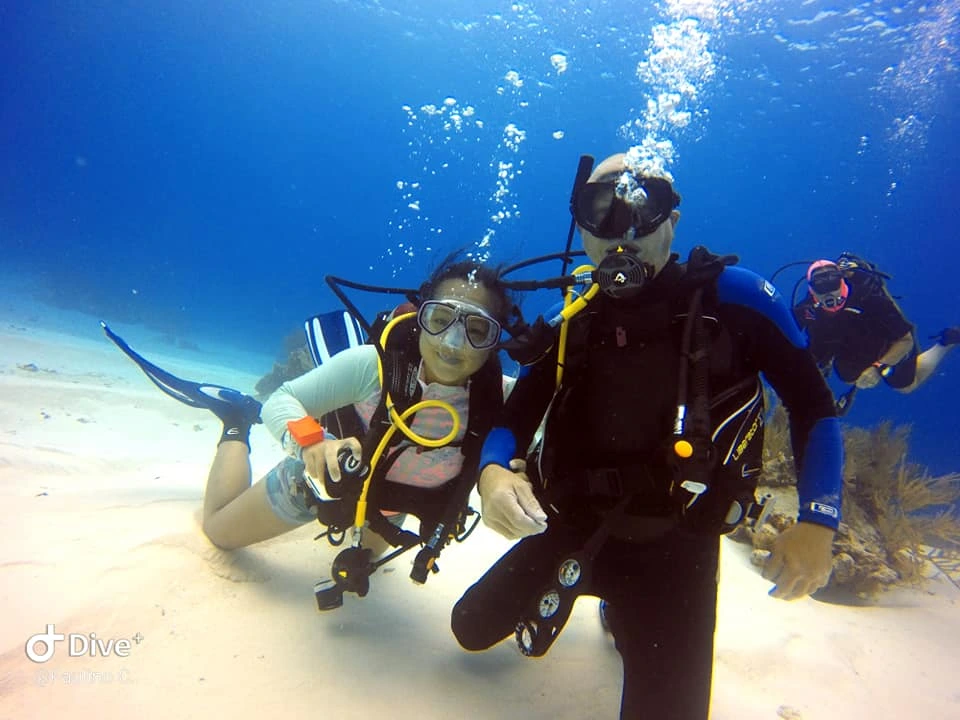
Mexico is one of the most diverse diving destinations on the planet, and one that rewards divers who go by boat. From the Caribbean’s technicolor reef systems to the wild Pacific currents teeming with sharks and manta rays, the country spans two completely different underwater worlds. The question isn’t whether to go boat diving in Mexico. The question is where.
Shore diving in Mexico is limited and, frankly, underwhelming compared to what lies just a short boat ride offshore. The best sites, drift walls, offshore seamounts, open-water pelagic corridors, are only reachable by boat. Even in popular destinations like Cozumel and Cancun, the dive operators load you onto a vessel before the real diving begins.
This guide ranks the 7 best places for boat diving in Mexico across both coasts, covering what marine life to expect, which skill levels each destination suits, what style of boat trip to book, and roughly what you’ll pay. Whether you’re planning a budget day trip in Cancun or a once-in-a-lifetime liveaboard to Socorro Island, this is your starting point.
Quick pick: For first-timers, start with Cozumel. For the bucket list, book Socorro Island at least 6 months in advance.
Why Boat Diving Is the Only Way to See the Best of Mexico
Most of Mexico’s headline dive sites are physically inaccessible from shore. The iconic reefs of Cozumel sit offshore in protected marine park zones. The whale sharks of Isla Mujeres gather in open water. The volcanic seamounts of Socorro Island are 400 kilometers from the coast. Boat diving isn’t just preferable in Mexico, for most of the country’s best experiences, it’s the only option.
The two coasts offer very different diving personalities:
- Caribbean side (Cancun, Cozumel, Isla Mujeres, Riviera Maya): Calm seas, warm water, rich reef diving, seasonal whale sharks and bull sharks. Ideal for beginners through advanced divers. Day trip boat diving is the norm.
- Pacific side (Cabo San Lucas, Sea of Cortez, Socorro Island): Stronger currents, cooler water, epic pelagic encounters. Advanced-leaning diving. Ranges from day trips to multi-night liveaboards.
Knowing which coast and which destination fits your experience level and goals makes all the difference. Here’s how the top seven break down.
The 7 Best Places for Boat Diving in Mexico
1. Cozumel – Best for Drift Diving and Reef Diversity
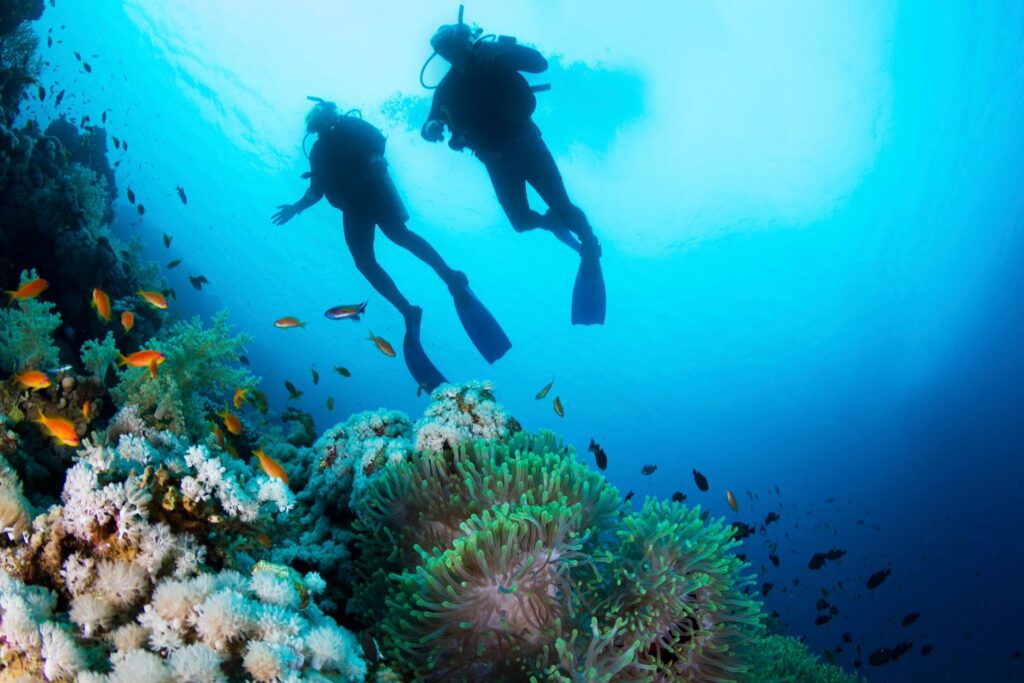
If there’s one destination that defines boat diving in Mexico, it’s Cozumel. Sitting off the coast of Playa del Carmen in the Yucatán, Cozumel is part of the Mesoamerican Barrier Reef, the second-largest barrier reef system in the world. Boat diving in Cozumel is an absolute necessity; the current conditions that make this place so exceptional also make shore entry impractical.
The diving is characterized by drift diving, a style where divers are carried along the reef by current rather than swimming against it. It’s exhilarating, efficient, and endlessly scenic. Multiple dives per day are standard because boat operators shuttle divers between sites and pick them up downstream.
SIGNATURE DIVE SITES
- Palancar Reef: A 5 km stretch of coral formations on the southwest side of the island with tunnels, caves, and deep walls. Both beginner and advanced sections available.
- Santa Rosa Wall: A dramatic vertical drop-off starting at 15 meters with overhangs and swim-throughs favored by advanced divers. Eagle rays and turtles are regular sightings.
- Colombia Wall: Giant coral pillars, caves, and tunnels with groupers, surgeonfish, and turtles. Moderate currents.
- Barracuda Reef: For advanced divers only, strong currents bring nurse sharks, blacktip reef sharks, leopard rays, and of course, barracudas.
| Best For | Reef diving, drift diving, walls, bull sharks (seasonal) |
| Skill Level | All levels, beginner reefs and advanced walls available |
| Boat Style | Day trips; 2-tank morning dives standard |
| Best Season | Year-round; peak April–September |
| Marine Life | Eagle rays, turtles, bull sharks (Nov–Mar), nurse sharks, groupers |
| Price Range | $80–$130 USD per 2-tank boat dive |
2. Socorro Island – Best for Pelagic and Big Animal Encounters
Socorro Island, part of the Revillagigedo Archipelago, is widely regarded as one of the greatest dive destinations on Earth. Inscribed on the UNESCO World Heritage list in 2016, the archipelago sits roughly 400 kilometers south of the Baja Peninsula in the Pacific, accessible only by liveaboard.
This is not a destination for beginners. But for experienced divers willing to make the journey, a 24-hour crossing from Cabo San Lucas, the rewards are unlike anything else in Mexico. The cold, nutrient-rich Pacific currents attract giants. Giant oceanic manta rays approach divers with apparent curiosity. Schools of hammerhead sharks circle the seamounts. Dolphins, humpback whales, and at least ten species of shark have been recorded here.
SIGNATURE DIVE SITES
- The Boiler (San Benedicto Island): A submerged volcanic pinnacle that serves as a cleaning station for giant oceanic manta rays. These animals regularly approach divers to within arm’s reach. Arguably the most iconic dive in all of Mexico.
- Roca Partida: A narrow spire of rock rising from the ocean floor, surrounded by circling hammerhead sharks, silky sharks, and manta rays. Walls descend to 60 meters.
- Cabo Pearce (Socorro Island): Rich in pelagic life, white tip reef sharks, dolphins, and occasional whale shark sightings.
| Best For | Giant oceanic mantas, hammerhead sharks, dolphins, humpback whales |
| Skill Level | Advanced / experienced only |
| Boat Style | Liveaboard only, 8 to 10 nights from Cabo San Lucas |
| Best Season | November–June |
| Marine Life | Giant manta rays, hammerheads, silky sharks, dolphins, humpbacks |
| Price Range | $1,500–$3,000+ USD per liveaboard trip |
3. Sea of Cortez – Best for Marine Biodiversity
Jacques Cousteau called the Sea of Cortez “the world’s aquarium,” and the title still holds. Flanked by the eastern coast of Baja California, this body of water hosts more marine species than almost anywhere on the planet. The diving centers around two main areas: Cabo Pulmo (a UNESCO World Heritage marine park) and La Paz, with Bahia de los Angeles further north offering seasonal whale shark encounters.
Cabo Pulmo is particularly extraordinary. Fishing was banned in the 1990s, and the ecosystem has rebounded so dramatically that divers now regularly swim through walls of fish that seem to block out the sun. Massive schools of jacks, mobula ray formations hundreds strong, bull sharks cruising a wreck, and playful sea lions at Los Islotes, all within day-trip reach of the coast.
SIGNATURE DIVE SITES
- El Bajo: A half-mile-long reef at 18 meters maximum depth, dense with groupers, turtles, and moray eels. Winter brings mobula rays and occasional humpbacks.
- Los Islotes: A sea lion colony that puts on a show for every diver who visits. Non-divers can snorkel here while certified divers go deeper.
- El Barco: A wreck dive famous for bull sharks in their natural environment, no bait, no cages, just sharks cruising through schools of pelagic fish.
- Bahia de los Angeles: More than 200 whale sharks migrate here each summer — one of the largest aggregations in the world.
| Best For | Biodiversity, whale sharks (seasonal), sea lions, mobula rays |
| Skill Level | Intermediate to advanced |
| Boat Style | Day trips from Cabo Pulmo village; liveaboards from La Paz |
| Best Season | Year-round; best visibility August–November |
| Marine Life | Whale sharks, mobula rays, bull sharks, sea lions, hammerheads, turtles |
| Price Range | $90–$150 USD day trips; $600–$1,500+ liveaboards |
4. Cancun – Best for Accessibility and Budget Value
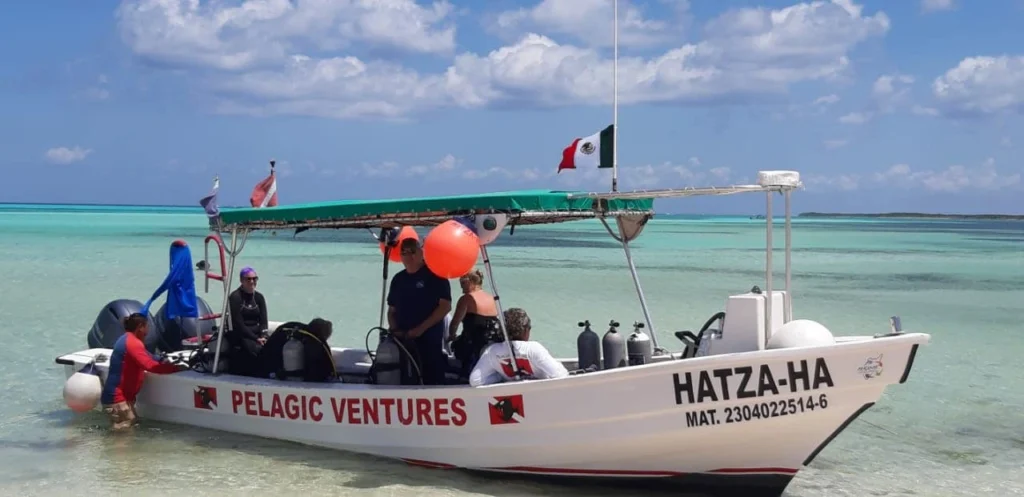
Cancun often gets dismissed as a tourist resort destination, but it punches well above its weight for boat diving, particularly for beginners and those looking for excellent value. The city sits right on the outer edge of the Mesoamerican Barrier Reef, which means reef diving is minutes from the marina. Day-trip boat dives here are among the most affordable in the country.
The star attraction is MUSA, the Museo Subacuático de Arte, an underwater sculpture garden featuring more than 450 life-size sculptures installed on the seafloor near Isla Mujeres and Cancun. Created by artist Jason de Caires Taylor, the sculptures have been colonized by coral and marine life and now rank among the most photographed dive sites in Mexico. They’re shallow, safe, and stunning.
SIGNATURE DIVE SITES
- MUSA (Underwater Museum): 450+ sculptures at 4–9 meters depth. Ideal for beginners and underwater photographers. Accessible to snorkelers as well.
- C-58 Felipe Xicoténcatl Minesweeper: A decommissioned Navy vessel sunk in 2000 as an artificial reef. Now home to nurse sharks, moray eels, and large groupers.
- Manchones Reef: A barrier reef section with turtles, parrotfish, and spotted eagle rays at accessible depths for newer divers.
| Best For | Beginners, value, MUSA sculpture garden, wreck diving |
| Skill Level | Beginners and all levels |
| Boat Style | Short day trips from Hotel Zone marinas |
| Best Season | Year-round; calmest November–April |
| Marine Life | Sea turtles, nurse sharks, moray eels, eagle rays, reef fish |
| Price Range | $50–$80 USD per 2-tank boat dive |
5. Isla Mujeres – Best for Whale Shark Encounters
Just a 15-minute ferry from Cancun, Isla Mujeres is a completely different pace, and between June and September, it becomes the whale shark capital of the world. Hundreds of whale sharks congregate in the waters off Isla Mujeres and nearby Holbox, attracted by plankton blooms in one of nature’s most reliable large-animal spectacles.
Boat diving here is essential for the whale shark encounters: the aggregations occur in open water several kilometers offshore, and only boat operators are permitted to run tours into the zone. Outside whale shark season, the diving is still excellent, Manchones Reef, the MUSA extension, and outer wall dives are all accessible by day-trip boat.
SIGNATURE DIVE SITES
- Open-water whale shark aggregation zone: June to September, boats bring divers to snorkel and dive alongside whale sharks in their natural feeding environment. A life-changing experience.
- Manchones Reef (Isla Mujeres section): An 800-meter-long reef system with elkhorn and staghorn coral, parrotfish, wrasse, and angelfish at shallow depths.
- La Bandera: A deeper outer reef section with stronger current and larger pelagic visitors including bull sharks and rays.
| Best For | Whale shark encounters, all-level reef diving, photography |
| Skill Level | All levels; whale shark zone suitable for snorkelers too |
| Boat Style | Day trips from Isla Mujeres port; combined whale shark + dive tours |
| Best Season | Year-round; whale sharks June–September |
| Marine Life | Whale sharks (seasonal), bull sharks, sea turtles, manta rays |
| Price Range | $70–$110 USD reef dives; $120–$180 USD whale shark tours |
6. Riviera Maya – Best for Variety and Convenience
The Riviera Maya stretches south from Cancun to Tulum and packs in an extraordinary range of boat diving options within a short drive. Playa del Carmen is the main hub, with dozens of dive operators running day-trip boats to both the outer reef and the deeper offshore walls. The Riviera Maya benefits from its position directly across from Cozumel, some operators even run day trips across the channel to Cozumel’s drift sites.
The reef system here sits close to shore and features gentler conditions than Cozumel’s open channel, making it particularly good for newer divers. As experience grows, divers can progress to deeper wall dives and drift sites. The Riviera Maya also serves as the gateway to cenote diving, though cenotes themselves are freshwater cave systems accessed on land, not by open-water boat.
SIGNATURE DIVE SITES
- Jardines (The Gardens): A long, shallow reef alive with coral formations, turtles, and reef fish, excellent for beginner boat divers.
- Tortugas (Turtles Reef): A consistently reliable site for green and loggerhead sea turtles resting on coral heads at around 12–16 meters.
- Barracuda (Playa del Carmen): An outer reef section with moderate current, spotted eagle rays, nurse sharks, and barracuda.
- Mama Viña Wreck: A deliberately sunk vessel now serving as an artificial reef populated by large groupers, moray eels, and lionfish.
| Best For | Variety, convenience, beginner progression, wreck and reef |
| Skill Level | All levels |
| Boat Style | Half-day and full-day 2-tank trips from Playa del Carmen |
| Best Season | Year-round; best visibility May–September |
| Marine Life | Sea turtles, spotted eagle rays, nurse sharks, moray eels, barracuda |
| Price Range | $75–$120 USD per 2-tank boat dive |
7. Cabo San Lucas – Best for Pacific Pelagics and Dramatic Scenery
At the southern tip of the Baja Peninsula, Cabo San Lucas is where the Pacific Ocean meets the Sea of Cortez, and the collision creates remarkable diving conditions. The town itself is familiar as a resort destination, but its offshore diving ranges from gentle bay sites suitable for newer divers to Gordo Banks, a pair of submerged seamounts that regularly host hammerhead shark schools and are considered advanced-only territory.
Cabo is also the departure point for Socorro Island liveaboards, making it a natural base if you’re planning the big Pacific adventure. Day-trip boat diving within Cabo Bay offers accessible, scenic dives around Land’s End, the famous arch rock at the peninsula’s tip, with sea lions, colorful reef fish, and moderate conditions.
SIGNATURE DIVE SITES
- Land’s End / El Arco: The iconic natural arch at the tip of Baja, surrounded by sea lions and diverse reef fish. Shallow and beginner-friendly within the protected bay.
- Pelican Rock: A popular beginner and intermediate site within Cabo Bay with pufferfish, sea lions, eels, and angel fish.
- Gordo Banks: Two offshore seamounts at 20–40 meters with schooling hammerheads, whale sharks (winter), manta rays, and strong currents. Advanced divers only.
- Blowhole: A rock formation with surge and marine life including octopus, moray eels, and large schools of jack.
| Best For | Pacific pelagics, scenic bay diving, liveaboard base for Socorro |
| Skill Level | Mixed, bay sites for beginners, Gordo Banks for advanced |
| Boat Style | Day trips from Cabo marina; liveaboards depart here for Socorro |
| Best Season | October–May for pelagics; summer for warmer water |
| Marine Life | Hammerheads, manta rays, whale sharks (Oct–Mar), sea lions, rays |
| Price Range | $95–$150 USD day dives; liveaboards from $1,500 USD |
How to Choose the Right Mexico Boat Diving Destination
The seven destinations above cover a wide range of experiences, skill levels, and price points. Here’s a side-by-side comparison to help you narrow it down:
| Destination | Best For | Skill Level | Boat Style | Price Range |
|---|---|---|---|---|
| Cozumel | Reef & drift diving | All levels | Day trips | ($80–$130/day) |
| Socorro Island | Pelagics & big animals | Advanced | Liveaboard only | ($1,500–$3,000+) |
| Sea of Cortez | Marine biodiversity | Intermediate+ | Day trips or liveaboard | $–$ |
| Cancun | Accessibility & budget | Beginners | Day trips | ($50–$80/day) |
| Isla Mujeres | Whale shark encounters | All levels | Day trips | ($70–$110/day) |
| Riviera Maya | Variety & convenience | All levels | Day trips | ($75–$120/day) |
| Cabo San Lucas | Pacific pelagics | Mixed | Day trips or liveaboard | $–$ |
A few practical rules of thumb:
- First dive trip to Mexico? Start with Cozumel or Cancun. Strong infrastructure, beginner-friendly sites, and competitive pricing.
- Intermediate diver wanting a step up? The Sea of Cortez and Riviera Maya offer genuine challenge without requiring liveaboard commitment.
- Advanced diver chasing the bucket list? Book Socorro Island. Then come back for Gordo Banks.
- Tight budget? Cancun gives the most dives per dollar. Isla Mujeres in shoulder season is also excellent value.
Best Time to Go Boat Diving in Mexico
Mexico’s two coasts follow different seasonal rhythms. The Caribbean side (Cozumel, Cancun, Isla Mujeres, Riviera Maya) is diveable year-round with minimal hurricane risk November through May. The Pacific side (Cabo, Sea of Cortez, Socorro) rewards divers who time visits for specific marine life events.
| Destination | Best Season | Water Temp | Signature Season Event |
|---|---|---|---|
| Cozumel | Year-round; peak Apr–Sep | 24–28°C (75–82°F) | Bull sharks Nov–Mar |
| Socorro Island | Nov–Jun | 23–28°C (73–82°F) | Oceanic mantas Nov–Jun |
| Sea of Cortez | Year-round; Aug–Nov best visibility | 18–29°C (64–84°F) | Whale sharks summer |
| Cancun | Year-round; Nov–Apr calmest | 26–29°C (79–84°F) | Best visibility Nov–Apr |
| Isla Mujeres | Year-round; Jun–Sep for whale sharks | 26–28°C (79–82°F) | Whale sharks Jun–Sep |
| Riviera Maya | Year-round; peak May–Sep | 26–29°C (79–84°F) | Visibility peak May–Sep |
| Cabo San Lucas | Oct–May for pelagics | 20–28°C (68–82°F) | Whale sharks Oct–Mar |
The single most time-sensitive event in Mexican boat diving is the whale shark aggregation off Isla Mujeres and Holbox, running roughly June through September. Operators book up fast, and the peak weeks in July and August sell out months in advance. If whale sharks are your priority, plan at least 3 months ahead.
Practical Tips for Boat Diving in Mexico
A few things experienced Mexico divers wish they’d known on their first trip:
- Book PADI or SSI-certified operators: Mexico’s dive industry is well-regulated in resort areas, but quality varies. Look for operators affiliated with major certification agencies and check recent reviews.
- Bring a surface marker buoy (SMB): Essential for drift diving in Cozumel and any Pacific diving. Many operators require divers to carry their own.
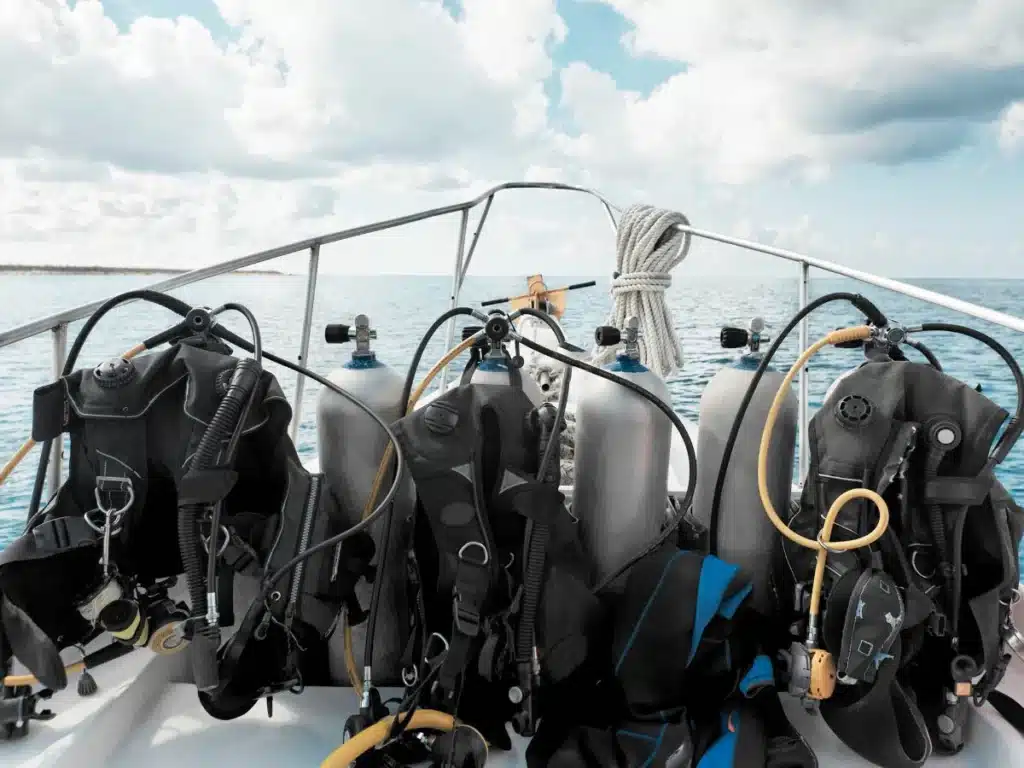
- Check what’s included in the price: Some operators include equipment rental; others charge separately for BCD, regulator, wetsuit, and weights. Always confirm upfront.
- Use reef-safe sunscreen only: Oxybenzone-based sunscreens are banned in Mexican marine parks. Bring a mineral-based (zinc oxide) sunscreen or a wetsuit, the sun is intense on boat decks.
- Plan for seasickness on Pacific crossings: The 24-hour open-ocean crossing to Socorro can be rough. Consult your doctor about preventive medication before liveaboard trips.
- Arrive a day early before liveaboards: Flight delays happen. Arriving the night before embarkation prevents missed departures.
Final Verdict: Where to Start
Mexico’s boat diving scene rewards divers at every level. For most visitors, Cozumel remains the gold standard, exceptional reef systems, reliable operators, excellent drift diving, and strong infrastructure for every budget. It’s the obvious first choice.
For intermediate divers ready for more, the Sea of Cortez and Isla Mujeres (in whale shark season) deliver encounters that are genuinely difficult to match anywhere in the world. And for the advanced diver with a bucket list and a flexible schedule, Socorro Island sits at the top, not just in Mexico, but on any serious global dive ranking.
Whichever destination you choose, one thing is consistent: book a boat, get offshore, and let Mexico’s underwater world do the rest.
Frequently Asked Questions
What is the best place for boat diving in Mexico for beginners?
Cancun and Cozumel are the most beginner-friendly destinations. Cancun offers shallow, sheltered sites like MUSA and Manchones Reef at very affordable prices. Cozumel has dedicated beginner reef sections and excellent operator infrastructure, though the drift conditions on advanced sites require some experience.
Do I need advanced certification to boat dive in Mexico?
No, most Caribbean destinations have sites suitable for Open Water certified divers. Socorro Island and Gordo Banks in Cabo are the main exceptions, requiring significant logged dives and Advanced or Rescue certification. Always discuss your certification level and experience with operators before booking.
How much does boat diving cost in Mexico?
Day trip boat dives typically range from $50–$80 USD in Cancun up to $120–$150 USD in Cabo San Lucas or the Sea of Cortez. A standard 2-tank day dive in Cozumel runs $80–$130 USD. Liveaboards to Socorro start around $1,500 USD for 8 nights. Equipment rental adds $20–$50 USD per day where not included.
Which destination has the best marine life for boat diving in Mexico?
It depends on what you want to see. Socorro Island for giant manta rays and schooling hammerheads. Isla Mujeres for whale sharks (June–September). Cozumel for dense reef life and seasonal bull sharks. The Sea of Cortez for overall biodiversity, more species than almost anywhere on Earth.
Can I do an all-inclusive boat diving package in Mexico?
Yes, Cozumel and Cancun in particular have a strong all-inclusive dive package market, where resort accommodations bundle in daily boat dive trips. Liveaboards to Socorro and the Sea of Cortez are also effectively all-inclusive, covering accommodation, meals, diving, and tanks.
Is liveaboard boat diving in Mexico worth it?
For the right destination, absolutely. Socorro Island is the clearest case, it’s physically impossible to visit any other way, and the diving is genuinely world-class. Sea of Cortez liveaboards also open up sites that day-trip boats cannot reach. For Cozumel and Cancun, liveaboards are unnecessary; day-trip diving from land is entirely sufficient.