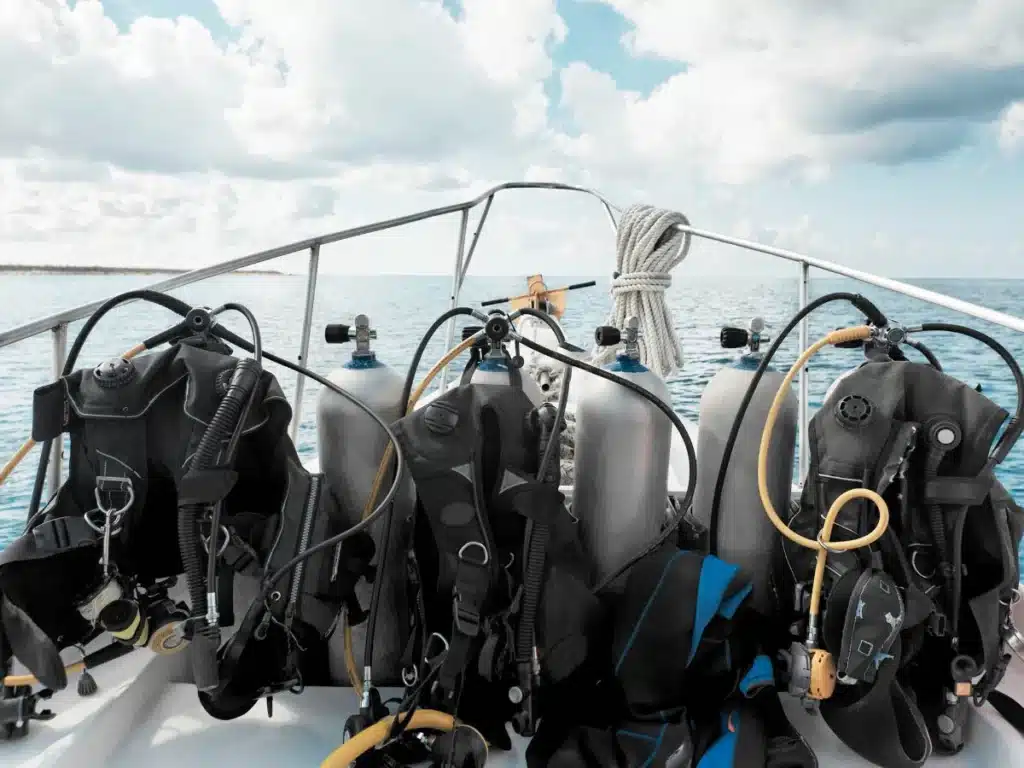
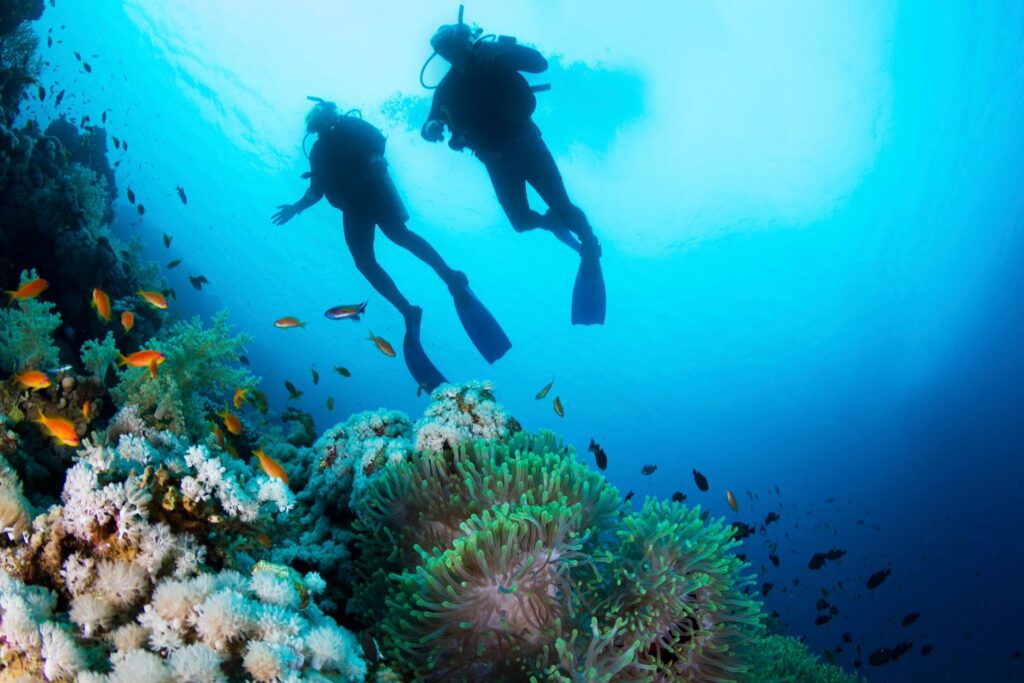
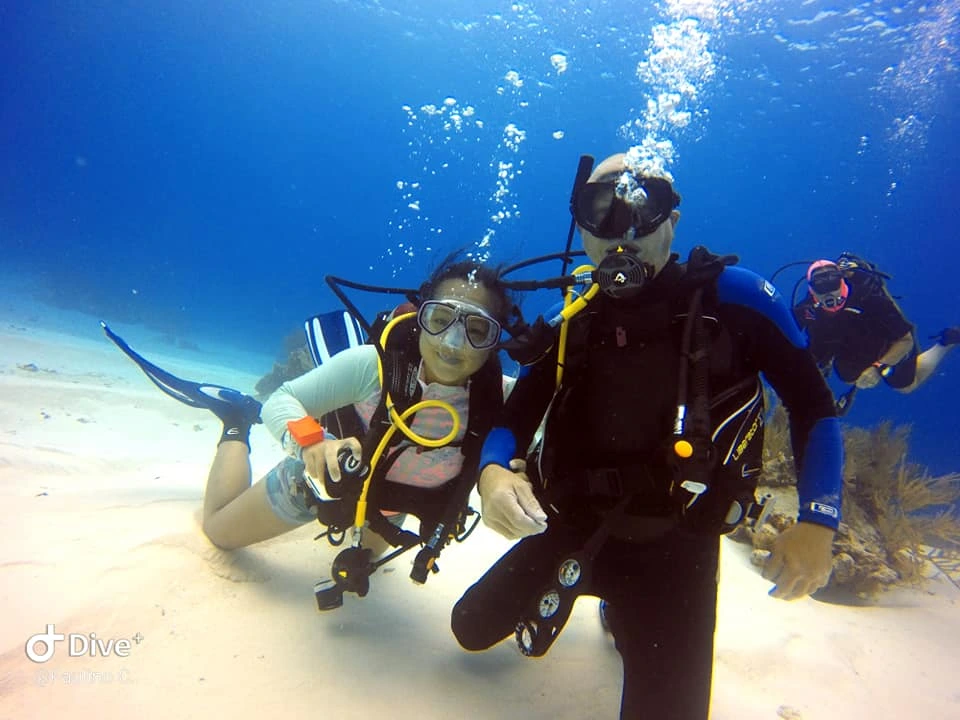
Boat diving in the Sea of Cortez also known as the Gulf of California, puts you inside the richest marine ecosystem in the Western Hemisphere. From whale sharks and schooling hammerheads to playful sea lions and mobula ray formations that block out the sun, this is Mexican boat diving at its most wild and diverse. Whether you’re planning a day charter from La Paz or a week-long liveaboard through the Midriff Islands, this guide covers everything you need to know.
Why the Sea of Cortez Is Called “The World’s Aquarium”
Jacques Cousteau first gave the Sea of Cortez that title, and it wasn’t hyperbole. Stretching 1,200 kilometers along the eastern edge of the Baja California Peninsula, this body of water hosts more marine species per square kilometer than almost anywhere on Earth. In 2005, UNESCO inscribed the Gulf’s islands and protected areas as a World Heritage Site, not just for the landscapes above water, but for what lives below.
The numbers alone are staggering: over 900 fish species, more than 2,000 marine invertebrate species, and roughly 40% of the world’s known marine mammal species pass through or live here. Grey whales, blue whales, humpbacks, orcas, bottlenose dolphins, and sperm whales have all been recorded in these waters. The reef systems of Cabo Pulmo National Marine Park, banned from fishing since 1995, have recovered so dramatically that divers now swim through walls of jack that seem to stretch for city blocks.
When you go boat diving in the Sea of Cortez, you’re not just diving a single reef. You’re entering a living system that operates on a scale unlike anything most divers have experienced.
What Makes This Body of Water So Biologically Unique
The Gulf of California is sheltered from the open Pacific by the Baja Peninsula, which creates calmer surface conditions while still allowing cold, nutrient-rich upwellings from depth. Those nutrients feed dense phytoplankton blooms that attract everything from microscopic nudibranchs to 12-meter whale sharks. The result is a rare combination: protected, navigable waters with open-ocean megafauna richness.
The Sea of Cortez is also geologically young, It formed roughly 5 million years ago when the Baja Peninsula rifted away from mainland Mexico, and its relative isolation has produced high rates of endemic species. Roughly 77 fish species found here are found nowhere else on Earth.
Sea of Cortez vs. Caribbean Diving | Two Completely Different Experiences
Divers who have only experienced Mexico’s Caribbean coast are often unprepared for how different the Sea of Cortez feels. Cozumel and the Riviera Maya offer warm, clear water, technicolor reefs, and gentle drift conditions that suit all certification levels. The Sea of Cortez trades those calm reefs for raw, pelagic intensity, colder water, stronger surge at some sites, and encounters with animals that simply don’t appear in the Caribbean.
Both offer world-class boat diving in Mexico. They just offer very different things. If you’re building toward a Sea of Cortez trip, logging dives in consistent drift conditions first is valuable preparation, and Cozumel’s boat diving trips are exactly that kind of environment.
Top Dive Destinations for Boat Diving in the Sea of Cortez
The Sea of Cortez is not a single dive destination, it’s a 1,200-kilometer corridor with distinct diving hubs, each offering different species, depths, and logistics. Here’s how they break down.
La Paz | Sea Lions, Whale Sharks, and El Bajo Seamount
La Paz is the most accessible entry point for boat diving in the Sea of Cortez and the hub from which most day-trip operators run. The city sits on the western shore of the gulf, and within a short boat ride you have some of the most iconic dive sites in Mexico.
Los Islotes, a rocky islet just north of Isla Espíritu Santo, hosts one of the most interactive sea lion colonies in the world. California sea lions approach divers with genuine curiosity, doing barrel rolls, blowing bubbles in your face, and pulling at fins. It’s less like diving and more like being invited to play. Note that the colony is closed to divers from June 1 through August 31 each year during breeding season; snorkeling from a distance is still permitted.
El Bajo seamount, roughly 45 minutes by panga from La Paz, sits at 18 meters maximum depth and regularly attracts schooling hammerhead sharks, mobula rays, and goliath groupers. In winter months, humpback whales have been spotted surfacing above the seamount.
Between June and October, whale shark aggregations form in the open water north of La Paz toward Bahía de los Ángeles, one of the largest seasonal concentrations of whale sharks on the planet.
Cabo Pulmo National Park, Mexico’s Most Recovered Marine Reserve
Cabo Pulmo is one of the great conservation success stories in diving. When the local fishing community voluntarily ceased all fishing activity in 1995, the biomass of the reef increased by over 400% in the following decade. Today, Cabo Pulmo National Park, a UNESCO World Heritage Site, contains the only hard coral reef on the Pacific coast of North America.
Boat diving here involves short pangas departing from the tiny village of Cabo Pulmo, roughly 60 kilometers north of San José del Cabo. The most famous site is El Bajo de Los Pulpos, where bull sharks cruise lazily through schools of bigeye jack numbering in the thousands. There are no cages, no bait, no theatrics, just bull sharks doing what bull sharks do, surrounded by a reef that has come back from near death.
Day-trip infrastructure here is deliberately minimal, small, local operators, small boats, no resort complex. That’s exactly what keeps it special.
Loreto and the Midriff Islands | Remote Boat Diving for Advanced Divers
The central and northern reaches of the Sea of Cortez, around Loreto and the Midriff Islands (Islas de la Guarda, Tiburón, and San Lorenzo), represent the most remote boat diving in the region. Liveaboards are the only practical way to access these sites, and they deliver an experience with almost no other divers in sight.
The Midriff Islands channel some of the strongest tidal currents in the gulf, which concentrates marine life in spectacular density. Schooling hammerheads, whale sharks (seasonally), manta rays, and massive schools of mobula rays sweep through the channels between islands. The wall dives here drop past 40 meters with moray eels, sea fans, and sponges covering every surface.
Bahía de los Ángeles | The World’s Largest Whale Shark Aggregation
Further north, Bahía de los Ángeles hosts what many researchers believe is the largest seasonal aggregation of whale sharks on Earth, with more than 200 individuals recorded during peak months (June through October). Day-trip boats depart from the small town on the Baja shore to bring snorkelers and divers into open water alongside these giants.
Whale shark encounters here are in-water, no cage, with strict no-touch guidelines enforced by local operators.
The Best Dive Sites in the Sea of Cortez
Los Islotes | Sea Lion Colony Dives
- Depth: 5–18 meters
- Skill level: Beginner to intermediate
- Best for: Sea lion interaction, reef fish, occasional manta ray sightings
- Access: Day trip from La Paz (~45 min by panga)
- Note: Closed to divers June 1 – August 31 (breeding season)
El Bajo | Hammerheads and Mobula Rays
- Depth: 12–28 meters
- Skill level: Intermediate to advanced
- Best for: Schooling hammerheads, mobula rays, goliath groupers, occasional humpbacks
- Access: Day trip from La Paz or liveaboard
- Current: Moderate; some drift diving required
Las Ánimas | Schools of Jack and Pelagic Action
- Depth: 8–30 meters
- Skill level: Intermediate
- Best for: Dense schools of bigeye jack (“schools so thick they block the light”), tuna, barracuda, hammerheads in season
- Access: Day trip from La Paz or liveaboard
El Barco Wreck | Bull Sharks Without a Cage
- Location: Cabo Pulmo National Park
- Depth: 18–26 meters
- Skill level: Advanced
- Best for: Bull sharks in their natural environment, large pelagic fish, moray eels
- Note: No baiting, no cages, one of the most authentic shark dives in Mexico
El Arroyo, Punta Mártir | Wall Diving with Nudibranchs and Eels
- Location: Northern Sea of Cortez (liveaboard access only)
- Depth: Wall extends past 40 meters
- Skill level: Advanced
- Best for: Macro photography, nudibranchs, multiple moray eel species, seahorses, reef fish
- Access: Liveaboard only
Sea of Cortez Marine Life | What You’ll See and When
One of the most practical questions any diver researching the Sea of Cortez asks is: when should I go for specific marine life? The answer is highly seasonal, and getting the timing wrong can mean missing the headline species entirely.
| Month | Conditions | Signature Species | Visibility |
| January–March | Cooler water (18–22°C / 64–72°F), wind risk, possible port closures | Grey whales, blue whales, plankton blooms | 10–15m |
| April–June | Improving temperature, calmer seas | Mobula ray migrations, manta rays, whale sharks appearing | 15–20m |
| July–September | Warmest water (26–29°C / 79–84°F), best conditions | Whale sharks (Bahía de los Ángeles), sea lion pups, hammerheads | 20–30m |
| October–December | Excellent conditions, cooling slightly | Mixed pelagics, hammerhead schools, mantas, bull sharks (Cabo Pulmo) | 20–25m |
Key seasonal highlights:
- Whale sharks aggregate north of La Paz and at Bahía de los Ángeles from June through October, peak months are July and August.
- Mobula ray migrations create some of the most dramatic underwater spectacles in Mexico, typically peaking May through July.
- Sea lion pups are born in late spring and reach their most playful phase in August and September, but remember, Los Islotes is closed to divers June 1 through August 31.
- Grey and blue whales move through the northern gulf from January through March; visibility drops during this period but whale encounters by boat are common.
- Hammerhead sharks aggregate year-round at El Bajo, with largest schools typically reported August through November.
How to Go Boat Diving in the Sea of Cortez | Day Trip vs. Liveaboard
This is the single most important planning decision for a Sea of Cortez trip, and it depends entirely on which sites you want to reach.
Day-Trip Boat Diving from La Paz, Cabo, and Loreto
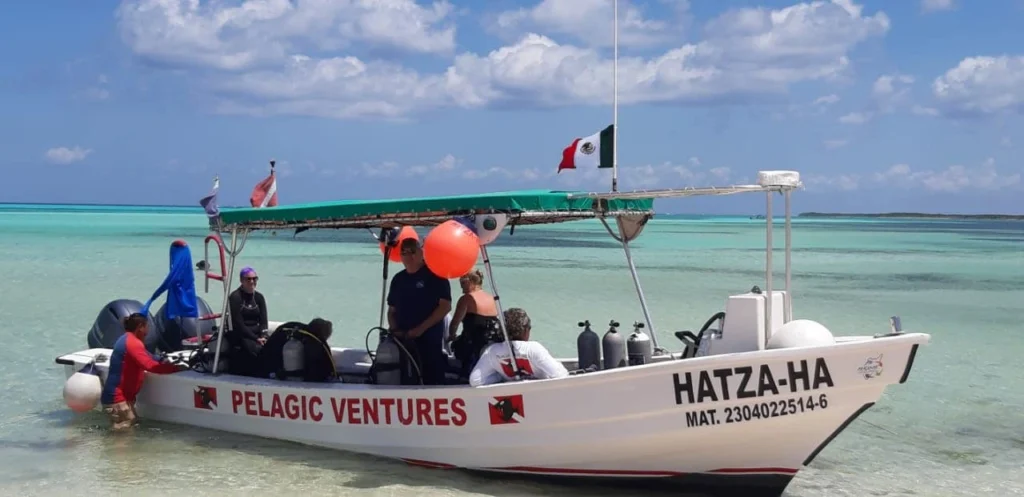
If your priority sites are Los Islotes, El Bajo, Las Ánimas, and Cabo Pulmo, day-trip boat diving in the Sea of Cortez is entirely sufficient. Operators in La Paz and Cabo Pulmo run small panga boats (typically 6–8 divers maximum) departing early morning for 2-tank trips.
Day-trip logistics:
- Boats are small, rigid inflatable pangas or fiberglass launches, not large dive boats
- Entry is typically backward roll into open water or off the side of the panga
- Trips depart 7:00–8:00 AM and return by early afternoon
- Price range: $90–$150 USD per 2-tank dive, equipment rental extra ($20–$40 per day)
- Nitrox is available at some La Paz operators, confirm when booking
Day-trip operators to check: Baja Expeditions (La Paz), Cabo Pulmo Divers (Cabo Pulmo), and Cortez Club (La Paz) have established reputations. Always verify PADI or SSI affiliation and check recent reviews.
Liveaboard Boat Diving in the Sea of Cortez
For the Midriff Islands, remote northern sites, and multi-day access to the full Sea of Cortez corridor, liveaboards are the only way. Several vessels operate here with varying price points and itineraries:
- Rocio Del Mar, Long-running Sea of Cortez specialist; well-reviewed; 7–8 night itineraries
- Valentina, Popular option with Sea of Cortez focus; consistently rated 9.1+
- Nautilus Gallant Lady / Nautilus Explorer, Part of the Nautilus fleet; also operates Socorro; 5–8 night Sea of Cortez itineraries
Liveaboard logistics:
- Trips run primarily July through November (some operators extend to June and December)
- Duration: 5–8 nights; departure from La Paz or Cabo San Lucas
- Price range: $600–$1,500+ USD depending on vessel and duration (not including flights)
- All meals, diving, tanks, and weights included on most vessels
- Nitrox typically available at surcharge
Is a Sea of Cortez Liveaboard Worth It?
For La Paz-accessible sites (Los Islotes, El Bajo, Las Ánimas, Cabo Pulmo): No, day-trip diving reaches these sites comfortably and at a fraction of the cost.
For the Midriff Islands, northern Sea of Cortez, and multi-site whale shark encounters: Absolutely yes. These sites are physically unreachable by day boat. The liveaboard also allows 4–5 dives per day rather than the standard 2-tank day-trip limit, meaning you’ll accumulate 30–40 dives on a week trip instead of 14.
What Skill Level Do You Need for Sea of Cortez Boat Diving?
The Sea of Cortez is not a one-size-fits-all destination. The range from beginner-appropriate bay dives to advanced-only drift sites is wider here than almost anywhere else in Mexico.
Beginner-Friendly Sites
- Los Islotes sea lion colony (5–18m, minimal current)
- Cabo Pulmo shallower reef sections (8–15m)
- Bay dives near La Paz at Isla Espíritu Santo
These sites require only Open Water certification and are accessible to divers with as few as 10 logged dives.
Intermediate Sites
- El Bajo seamount (12–28m, moderate current)
- Las Ánimas (8–30m, variable current)
- Most standard La Paz day-trip sites
Advanced Open Water certification is recommended, along with 25+ logged dives. Comfort with mild to moderate drift is important at El Bajo. If you’re working toward your Advanced certification, Cozumel’s drift diving conditions provide excellent preparation before tackling El Bajo.
Advanced-Only Boat Diving
- Midriff Islands (strong tidal currents, remote, deep)
- El Arroyo, Punta Mártir (wall dive past 40m)
- El Barco wreck with bull sharks (advanced site management required)
- Northern Sea of Cortez liveaboard sites
Most liveaboard operators require Advanced Open Water certification minimum, 50+ logged dives, and demonstrated comfort with deep and drift diving for Midriff Islands itineraries.
Certification and Logged Dive Requirements
| Site Category | Certification | Minimum Logged Dives |
| La Paz bay sites, Los Islotes | Open Water | 10 |
| El Bajo, Las Ánimas, Cabo Pulmo | Advanced Open Water | 25–30 |
| Midriff Islands, Punta Mártir | Advanced Open Water | 50+ |
| Overnight liveaboards (most operators) | Advanced Open Water | 50 |
Building toward an Advanced Open Water certification before a Sea of Cortez trip will open the majority of the best sites.
Best Time to Go Boat Diving in the Sea of Cortez
Short answer: July through November offers the best overall combination of water temperature, visibility, marine life variety, and weather stability.
Best for whale sharks: June–October (peak July–August at Bahía de los Ángeles) Best for mobula rays: May–July Best for hammerheads: August–November (largest schools) Best for blue/grey whales: January–March (lower visibility, rougher weather) Best overall conditions: August–November
Wind and port closures: January through May can bring strong northerly winds (known locally as el norte) that close small ports and cancel panga departures with little notice. If traveling during this period, build flexibility into your itinerary. Liveaboards are better positioned to wait out conditions and reposition than day-trip operators.
Water temperature and wetsuit guide:
| Season | Water Temperature | Recommended Wetsuit |
| Summer (Jul–Sep) | 26–29°C / 79–84°F | 3mm shorty or 3mm full |
| Autumn (Oct–Dec) | 22–26°C / 72–79°F | 5mm full |
| Winter (Jan–Mar) | 16–20°C / 61–68°F | 7mm full, hood recommended |
| Spring (Apr–Jun) | 20–25°C / 68–77°F | 5mm full |
Practical Tips for Boat Diving in the Sea of Cortez
Gear essentials:
- Surface Marker Buoy (SMB): Mandatory for all drift and open-water diving. Many La Paz operators require divers to carry their own. Bring one.
- Wetsuit: Do not underestimate the cold. Even summer diving below 20 meters can drop to 18–20°C due to thermoclines. A 5mm full suit is the safest year-round baseline.
- Nitrox: Available at most La Paz operators and on liveaboards. Particularly useful for repeated El Bajo dives at 20–25m.
- Dive computer: Essential. Many sites involve variable depths and drift; relying on a divemaster’s computer alone is not best practice.
- Underwater camera: The Sea of Cortez rewards photographers at every level, from wide-angle for sea lions and hammerheads to macro for nudibranchs and seahorses.
Logistics reminders:
- Reef-safe sunscreen only. Oxybenzone-based products are banned in Mexican marine parks, including Cabo Pulmo. Use zinc oxide mineral sunscreen or cover up with a rashguard, time on exposed panga decks adds up quickly.
- Book liveaboards early. Peak-season departures (July–September) fill 4–6 months in advance on popular vessels. Shoulder season has more availability but check weather risk.
- Arrive a day early. Especially for liveaboards, a flight delay that causes a missed embarkation forfeits the entire trip. The day-before buffer is non-negotiable for serious dive travel.
- Sea sickness prep. Panga crossings to El Bajo and open-water sites can be rough, particularly in spring and winter months. Speak to your doctor about preventive options before the trip.
- Confirm equipment rental availability. Most La Paz operators offer rental equipment (BCD, regulator, wetsuit) but quality varies. If you dive regularly, bringing your own regulator at minimum is worth it.
Sea of Cortez vs. Cozumel | Choosing Your Mexico Boat Dive
The two most frequently compared boat diving destinations in Mexico serve genuinely different purposes. Here’s an honest breakdown.
| Factor | Sea of Cortez | Cozumel |
| Best for | Pelagic megafauna, biodiversity, raw encounters | Reef diversity, drift diving, consistent conditions |
| Water temp | 16–29°C (seasonal variation) | 24–28°C (year-round stable) |
| Visibility | 10–30m (highly seasonal) | 20–40m (consistently excellent) |
| Skill level | Intermediate to advanced for best sites | All levels |
| Boat style | Panga day trips or liveaboard | Day trips from marina |
| Travel logistics | La Paz (2-hr flight from Mexico City); liveaboards from Cabo San Lucas | 20-min ferry from Playa del Carmen; international flights to Cozumel |
| Price (day diving) | $90–$150 USD | $80–$130 USD |
| Price (liveaboard) | $600–$1,500+ | Not needed |
| Best season | July–November | Year-round |
| Whale sharks | Yes, seasonal aggregations (summer) | Rare sightings only |
| Hammerhead sharks | Yes, El Bajo, Las Ánimas | Rare sightings only |
| Bull sharks | Yes, Cabo Pulmo (no bait) | Yes, seasonal (Nov–Mar) |
| Sea lions | Yes, Los Islotes | No |
| Drift diving | Some sites; not the defining style | Defining style, the reason to go |
Neither destination is “better.” They’re complementary chapters in the same story.
The Sea of Cortez rewards divers who want wild, unpredictable encounters with some of the largest animals in the ocean. Cozumel rewards divers who want consistent, accessible, technically refined diving on one of the most beautiful reef systems in the Caribbean.
If the Sea of Cortez is on your bucket list, the best preparation is logging dives in quality drift conditions, building comfort with current, buoyancy control, and SMB deployment. Our boat diving trips in Cozumel run year-round from ASIPONA Marina in San Miguel, with small groups of 8 divers maximum, PADI-certified divemasters, and three decades of reading Cozumel’s currents. It’s the best place in Mexico to build the skills that El Bajo will demand.
Frequently Asked Questions About Boat Diving in the Sea of Cortez
Is the Sea of Cortez good for diving?
Yes, it’s regarded as one of the greatest diving destinations on Earth. Jacques Cousteau called it “the world’s aquarium,” and the UNESCO designation reflects the extraordinary biodiversity. It offers everything from beginner-friendly sea lion dives to advanced-only hammerhead shark encounters, all within one body of water.
How do I get to dive sites in the Sea of Cortez?
All diving in the Sea of Cortez is done by boat. Day-trip panga operators run from La Paz, Loreto, and Cabo Pulmo for accessible sites. Remote northern sites (Midriff Islands, Punta Mártir) require a liveaboard, typically departing from La Paz or Cabo San Lucas on 5–8 night itineraries.
What sharks can you see diving in the Sea of Cortez?
Schooling hammerhead sharks at El Bajo and Las Ánimas are the signature encounter. Bull sharks at Cabo Pulmo’s El Barco wreck offer an unbaited, uncaged experience. Whale sharks aggregate near Bahía de los Ángeles from June through October. Silky sharks, oceanic whitetips, and nurse sharks are also recorded depending on season and site.
Can beginners go boat diving in the Sea of Cortez?
Yes, with the right site selection. Los Islotes sea lion colony (La Paz) and shallow Cabo Pulmo reef sections are suitable for Open Water certified divers. Advanced sites like El Bajo, the Midriff Islands, and Punta Mártir require more experience. Always discuss your certification level and logged dives with operators before booking.
How much does a Sea of Cortez diving trip cost?
Day-trip boat diving runs $90–$150 USD per 2-tank dive from La Paz or Cabo Pulmo, not including equipment rental ($20–$40 per day). Liveaboard trips cost $600–$1,500+ depending on vessel and duration, typically all-inclusive of meals, diving, tanks, and weights.
When is the best time to dive the Sea of Cortez?
July through November offers the best overall conditions, warm water, excellent visibility, and peak marine life activity including whale sharks, hammerhead schools, and mobula ray formations. The winter months (January–March) offer whale sightings but cooler water, lower visibility, and some weather risk.
Do I need advanced certification to dive the Sea of Cortez?
Not for all sites. Open Water certification is sufficient for La Paz bay sites and Los Islotes. Advanced Open Water certification is recommended for El Bajo and Cabo Pulmo pelagic sites, and required by most liveaboard operators for Midriff Islands itineraries. Comfort with drift diving is essential for the best pelagic encounters. Building advanced open water skills and logging drift dives before a Sea of Cortez trip will make the experience significantly richer.
Final Word: Boat Diving in the Sea of Cortez
The Sea of Cortez is the kind of place that changes how you think about diving. Its sheer scale, biological richness, and access to open-ocean megafauna are without equivalent on Mexico’s Caribbean coast. But it is also a destination that rewards preparation, in terms of skills, logistics, and timing.
Start with a clear goal: whale sharks, hammerheads, sea lions, or the full biodiversity experience via liveaboard. Match that goal to the right season and the right boat format. And if you’re still building the dive experience and comfort that the best Sea of Cortez sites require, there’s no better practice ground than Cozumel’s boat diving trips.
When you’re ready, the Aquarium of the World will still be there, bigger and wilder than you imagined.